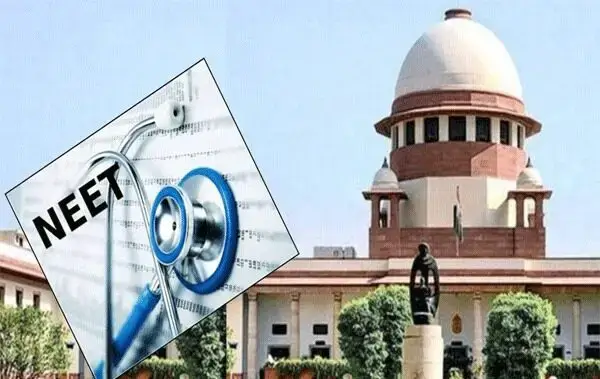
NEET The National Eligibility cum Entrance Test (NEET) is a crucial examination in India that determines the eligibility of students aspiring to pursue medical education. The integrity of this examination is paramount, as it directly influences the future of countless students. However, the NEET paper leak case that emerged prior to the examination brought significant concerns regarding the fairness and transparency of the examination process.
In early 2023, reports surfaced alleging that the question paper for the NEET was compromised before its official release. A thorough investigation revealed that certain individuals, including exam center staff and coaching institute personnel, were involved in a conspiracy to leak the paper. This incident raised serious questions about the security measures in place to safeguard the examination materials.
The leak was believed to have originated from an examination center located in a metropolitan region, revealing a web of communication networks among the conspirators. Students and parents alike expressed their outrage and concern over the integrity of the NEET, which is considered a pivotal moment in a student’s academic journey. The fallouts of this incident were profound, leading to calls for immediate action from authorities and heightened scrutiny of the examination process.
Consequently, the Central Board of Secondary Education (CBSE) and various state examination authorities faced criticisms for their failure to preserve the credibility of the test. The ramifications of the leak extended beyond disappointment for students who prepared diligently; they jeopardized the entire examination system’s credibility, calling into question the efficacy of the measures in place to prevent such occurrences in the future.
The NEET paper leak case serves as a crucial reminder of the vulnerabilities present within the examination framework. As authorities continue to investigate and enforce stricter protocols, the need for a robust examination system becomes increasingly apparent. The implications of this incident will undoubtedly influence future policies and implementations aimed at safeguarding the integrity of national examinations.
CBI Investigation Findings
The investigation conducted by the Central Bureau of Investigation (CBI) regarding the NEET paper leak was comprehensive and methodical, aimed at ensuring that justice is served and that the rights of honest students are safeguarded. Following the initial reports of irregularities, the CBI employed a multi-faceted approach to gather evidence and identify those involved in the malpractice.
Initially, the CBI initiated a thorough review of the examination materials and the processes involved in the distribution of the NEET question papers. This entailed collecting testimonies from various stakeholders, including students, examination officials, and educators, to piece together the circumstances leading to the leak. In addition to verbal accounts, the agency meticulously scrutinized digital and physical records related to the examination.
Key evidence emerged during the investigation, including discrepancies in answer sheets, as well as communications between individuals suspected of orchestrating the leak. The CBI’s forensic analysis revealed that certain groups had insider information that allowed them to manipulate the exam results in favor of select candidates. This level of collusion underscored the need for stringent measures to uphold the integrity of competitive examinations.
As the investigation progressed, several suspects were identified, ranging from examination officials to individuals who had connections with organized networks involved in the distribution of leaked papers. The CBI’s commitment to exposing these networks was evident in their efforts to not only bring the perpetrators to justice but also to ensure that similar incidents do not occur in the future.
Ultimately, the CBI’s findings played a crucial role in fortifying the legal measures implemented to protect students’ rights. The investigation reaffirmed the necessity of a transparent examination process, thereby contributing to a fair educational environment free from corruption and malpractice. This robust approach not only serves justice in the present case but also sets a precedent for handling similar issues in the future.
Court Verdict and Its Implications
The court’s ruling concerning the NEET paper leak case has garnered significant attention, primarily due to the implications it holds for both the individual student and the broader educational landscape. After a thorough examination of the evidence presented, the judiciary determined that the student involved in the case ought to be cleared of any wrongdoing. This decision was grounded in the principle of fair trial and the necessity of substantial proof before attributing guilt.
In its judgment, the court highlighted the lack of direct evidence linking the student to any illicit activities surrounding the leak. By emphasizing the constitutional rights of the student, the ruling reaffirmed the ideals of justice and due process. Furthermore, the court addressed the broader ramifications of its decision, particularly concerning public trust in the NEET examination system. The judgment underscores the importance of maintaining the integrity of educational assessments and the consequences of failing to do so.
The implications of this ruling extend beyond the immediate case. It serves as a precedent for how similar cases will be treated in the future, setting a standard for judicial scrutiny in matters of academic integrity. Moreover, the decision could influence the perception of future NEET results, encouraging students and stakeholders to have greater confidence in the system. Educational authorities are now prompted to re-evaluate their security measures and protocols to prevent future occurrences of such incidents, ensuring the sanctity of examinations is upheld. Through the lens of this verdict, there lies a call for reform that echoes in academic circles, emphasizing accountability and transparency in the administration of competitive exams.
Future Steps and Reforms in Examination Protocols
The recent NEET paper leak has ignited significant discussions surrounding the need for reform in examination protocols, particularly in high-stakes tests that impact students’ futures. In light of the incident, educational institutions and governing bodies are urged to assess and enhance existing measures to safeguard the integrity of competitive examinations. Central to these reforms is the implementation of more stringent security protocols that encompass all facets of the examination process. This includes not only the physical security of the exam papers but also the digital methods used in their distribution and administration.
One potential reform is the introduction of advanced technology in preventing leaks. Utilizing biometric verification for candidates and encrypted digital test banks can help ensure that only authorized individuals have access to the examination materials. Moreover, institutions could explore the feasibility of conducting examinations online using secure platforms that allow for real-time monitoring to deter any form of malpractice.
Additionally, enhancing training for examination personnel to identify and report suspicious activities could play a vital role in preventing future incidents. Regular audits and risk assessments of the entire examination process would also be pivotal in identifying vulnerabilities that need to be addressed. Educational authorities could benefit from fostering collaboration with law enforcement agencies to promptly respond to any breaches that occur.
In response to the NEET case, it is essential for institutions to evolve not just in terms of examination security but also in reinforcing a culture of academic integrity. This calls for comprehensive awareness campaigns aimed at students, educators, and parents about the ethical implications of cheating and the importance of fair assessments. By instilling values of honesty and accountability, educational bodies can contribute to building a system where academic integrity is prioritized.
Ultimately, the path forward involves a concerted effort from all stakeholders in the education sector. These measures, alongside a robust framework for accountability in the event of breaches, will establish a foundation for more secure and reliable examination processes, thereby restoring faith in the system and ensuring a level playing field for all candidates.