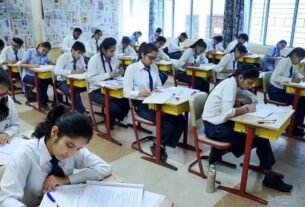
MBBS seats The National Eligibility cum Entrance Test for Undergraduates (NEET UG) serves as the primary pathway for students aspiring to pursue a career in medicine in India. This competitive examination not only evaluates the knowledge and aptitude of aspiring medical professionals but also serves to regulate the admission process across various medical colleges in the country. In recent years, the competition has intensified significantly due to a rising number of applicants.
As of the latest data, the number of candidates appearing for NEET UG has consistently increased, with over 18 lakh students registered in the previous year alone. However, the total number of available MBBS seats across all recognized medical colleges in India falls short of accommodating the growing applicant pool. This disparity creates a highly competitive environment where, on average, only a fraction—approximately 10%—of candidates secure a seat in a medical college each year. Such statistics highlight the stark reality of the NEET UG competition and the challenges that medical aspirants face.
The intense competition fosters a high level of stress among candidates, many of whom undertake extensive preparation, often enrolling in coaching institutes and devoting their studies solely to achieving success in the exam. This relentless pursuit results in not just academic pressure but also a considerable emotional toll. Furthermore, the sheer volume of aspirants influences admission dynamics, leading to a scenario where even marginal differences in scores can dictate the chance of securing a coveted seat in a medical program.
Consequently, the increasing number of applicants for NEET UG presents significant challenges that cannot be overlooked. The expansion of MBBS seats may alleviate some pressure, but understanding the underlying dynamics of this fierce competition is essential in evaluating the effectiveness of such measures to enhance accessibility to medical education in India.
Impact of Increasing MBBS Seats on Admissions
In recent years, there has been a notable trend in India concerning the increase of MBBS seats across various medical colleges. This expansion is primarily a response to the burgeoning demand for medical education, driven by the growing population and an increasing awareness of health issues. The Indian government has recognized the need to bolster healthcare services by ensuring a sufficient supply of trained medical professionals. As a result, many existing medical institutions have either expanded their intake capacity or new medical colleges have been established to accommodate more MBBS aspirants.
The government’s initiative to enhance the number of MBBS seats is significant as it aims to alleviate the pressure experienced during the National Eligibility cum Entrance Test (NEET) UG. This pressure has often translated into intense competition, with a limited number of seats vying for a large pool of applicants. By augmenting MBBS seats, it is anticipated that the increased availability will make the admission process somewhat more inclusive, potentially leading to a diversification of the student body within medical colleges.
However, it is crucial to evaluate whether this influx of seats genuinely leads to a reduction in competition or merely redistributes existing challenges. The real impact of adding more MBBS seats hinges on several factors, including the quality of education and training provided, the availability of qualified faculty, and the capacity of healthcare infrastructure to support an increased workforce. If these elements are not adequately addressed, the expansion of seats could result in a dilution of educational standards rather than a solution to the competitive landscape.
Furthermore, while more MBBS seats may initially appear to ease competition, it could also lead to an enhancement of the aspirational cycle, whereby more students continue to aim for limited seats in prestigious institutions. This implies that while the total number of seats increases, the competitive spirit might only become more pronounced in high-demand locations, thereby leading to a paradox in medical admissions.
The Role of Quality in Medical Education
The increasing number of MBBS seats in medical colleges across India has intensified discussions around the quality of medical education and its potential effects on the healthcare system. While expanding access to medical education is essential for addressing the growing demand for healthcare professionals, it is crucial to ensure that the rise in seats does not compromise the standards of education. A significant concern with rapidly increasing admissions is the potential shortage of qualified faculty. Educators are fundamental in shaping the competencies of future doctors. If medical colleges do not have sufficient experienced staff to maintain high standards of teaching, students may receive inadequate training, which could have long-term implications on healthcare service delivery.
Moreover, infrastructure strain is another critical consideration as institutions expand their student bodies. Medical education requires a robust framework, including adequate learning facilities, libraries, and clinical exposure opportunities. A sudden increase in student numbers without corresponding enhancement in facilities may lead to overcrowded classrooms and reduced practical training opportunities. This dilution of the educational environment could negatively affect the learning experience, ultimately impacting the quality of future practitioners.
Additionally, the implications for patient care must not be overlooked. Doctors play a pivotal role in the healthcare ecosystem, and their competency directly influences patient outcomes. If the quality of medical education declines, it could result in an influx of less-skilled practitioners entering the workforce. This scenario can compromise patient safety and the overall effectiveness of healthcare services. Therefore, it is imperative for regulatory bodies to ensure stringent accreditation processes and adhere to minimum educational standards. Continuous improvement in medical education practices is vital to fostering an environment that supports both the growth of student numbers and the maintenance of educational integrity.
Future Prospects: Will the Changes Benefit Aspiring Doctors?
The decision to increase MBBS seats in India has sparked considerable debate regarding its potential long-term implications for aspiring medical professionals and the broader healthcare landscape. One of the immediate expectations is improved access to medical education for students. By expanding the number of MBBS seats, the hope is that more individuals will have the opportunity to pursue a career in medicine, thereby fostering a larger pool of healthcare providers.
However, the influx of new medical graduates could have varying consequences for the competitiveness of the job market. On one side, an increase in MBBS graduates may help alleviate the shortage of medical professionals in underserved areas, contributing positively to healthcare accessibility. This could lead to a situation where patients, especially in rural regions, find it easier to consult medical practitioners. Enhanced access might also stimulate a much-needed response to public health challenges facing India.
On the contrary, the expansion of MBBS seats could result in an oversaturated job market, as the influx of new doctors may outpace the growth of available positions in healthcare institutions. Industry experts caution that without a corresponding increase in jobs, many newly graduated doctors may struggle to find employment, leading to heightened competition. This scenario might also affect the quality of medical education as institutions may inadvertently lower admission standards to fill the increased quota of seats.
Ultimately, as the healthcare sector evolves, the influx of MBBS graduates will necessitate adaptive strategies within the medical community, including specialization and continuous professional development. As the landscape changes, it will be crucial for educational institutions and policymakers to monitor the situation and ensure that the increase in medical seats translates into meaningful opportunities, not just numbers. Balancing supply with demand remains a critical factor in realizing the positive potential of expanded MBBS seats.