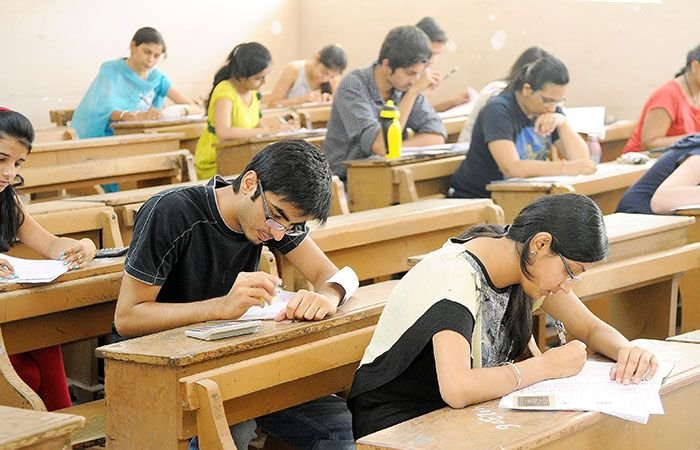
NEET PG cutoff The NEET PG cutoff, which serves as a benchmark for the admission of medical graduates into postgraduate courses, has recently witnessed a drastic alteration, being slashed to zero. This move has elicited a range of reactions from stakeholders across the medical education landscape. The decision to reduce the cutoff to zero aims to address critical gaps in the availability of qualified healthcare professionals in India. The rationale is grounded in the recognition that many aspiring doctors have faced a multitude of challenges during their preparation for the NEET PG examination, which could have adversely affected their performance.
By lowering the cutoff, the authorities intend to provide an opportunity for those candidates who may have scored below the previously established limits. It underscores a commitment to inclusivity in medical education and aims to ensure that all deserving candidates can pursue further studies, irrespective of their NEET PG scores. With the healthcare sector grappling with a shortage of qualified practitioners, the move is designed to alleviate the situation by converting more graduates into qualified specialists.
However, this policy change is not without its critics. Many argue that lowering the cutoff may compromise the quality of medical education and could potentially lead to a dilution of standards within the profession. There are also concerns regarding the implications this may have on the overall admissions process, including the competitive landscape among candidates. Additionally, there are questions about how this will influence the professional competency of future medical practitioners and the expectations of the patients they will serve.
Overall, the reduction of the NEET PG cutoff to zero marks a significant shift in policy, with far-reaching consequences for medical education and healthcare delivery in the country. This change merits careful consideration of its long-term impacts on both education and public health.
Understanding Negative Scorers in NEET PG
NEET PG cutoff Negative scorers in the NEET PG examination refer to candidates who have received a score below zero, a situation typically resulting from incorrect answers marked in the multiple-choice format. The examination employs a negative marking scheme where each incorrect answer incurs a penalty, ultimately leading to a negative overall score. This phenomenon can arise from various factors, including anxiety during the exam, misjudgments in answering questions, or inadequate preparation. Some students may also face challenges related to the immense pressure associated with such competitive examinations, impacting their performance adversely.
The implications of being a negative scorer can be profound, particularly in a system that traditionally emphasizes the importance of high scores for eligibility into postgraduate programs and ultimately determining one’s medical career trajectory. The recent decision to slash NEET PG cutoffs to zero introduces a remarkable change, enabling negative scorers to potentially gain access to PG seats, a possibility that was previously elusive. This policy amendment aims to broaden the spectrum of opportunities for candidates who, despite their negative scores, exhibit capability and determination in pursuing medical education.
Moreover, this adjustment in admission policies provides a vital lifeline to these students. It validates their efforts and acknowledges their aspirations, positioning them on a more equitable platform to compete for postgraduate positions. In essence, granting access to medical education for negative scorers can lead to a more inclusive environment where diverse students can contribute meaningfully to the healthcare sector. The long-term benefit of this approach could manifest in the cultivation of a new generation of healthcare professionals who may otherwise have been marginalized due to traditional scoring systems.
Implications for Medical Education and Standards
NEET PG cutoff The recent decision to slash the NEET PG cutoff to zero raises significant concerns regarding the future of medical education and the overall standards of healthcare in India. With this change, the threshold for eligibility for postgraduate medical education diminishes dramatically, prompting questions about the quality of training that future healthcare professionals will receive. Critics of this decision argue that lowering the cutoff could lead to an influx of candidates who may not possess the necessary foundational knowledge and skills required for effective medical practice.
Education experts worry that such a policy may inadvertently encourage complacency among medical students. By not requiring a minimum competency level, the integrity of medical training may be compromised. Proponents of maintaining rigorous standards assert that a strong foundation in medical science is crucial not only for the personal growth of medical professionals but also for ensuring patient safety and effective healthcare delivery.
From the perspective of medical associations, the implications of a zero cutoff extend beyond individual candidates to affect the overall healthcare system. With a potential influx of inadequately prepared postgraduate students, the fear is that the quality of medical care provided to patients might decline. Such a scenario may lead to increased rates of medical errors, diminished patient confidence, and a broader public health crisis. Policymakers are now faced with the challenge of striking a balance between providing opportunities for aspiring medical professionals and ensuring that the standards of education and patient care are not adversely affected.
Thus, the decision to eliminate the PG cutoff raises profound questions about the future landscape of medical education in India. As the dust settles, it will be imperative for stakeholders—including education authorities, medical institutions, and health agencies—to collaboratively assess and address the potential consequences of this policy, ensuring that the commitment to high standards in medical training and patient care remains steadfast.
Reactions from Stakeholders: Students, Educators, and Authorities
The announcement regarding the NEET PG cutoff being slashed to zero has elicited a wide array of reactions from various stakeholders, including students, educators, and health authorities. For many students, this decision has provided a glimmer of hope, particularly for those who had previously scored negative marks. A common sentiment among these students is one of relief, as they now believe that their aspirations to pursue postgraduate medical education are more attainable.
One student expressed, “This change has taken a huge load off my shoulders. I was disheartened by my initial performance, but now I feel like I have a second chance in my medical career. It’s truly liberating.” Many peers echoed this sentiment, highlighting that the previous cutoff amounts effectively sidelined capable candidates who may have had an off day during the examination.
Educators and faculty members have also shared their perspectives on this pivotal change. While some support the decision, pointing out that medical education should be accessible, there are concerns regarding the implications on the quality of future medical professionals. An educator from a prominent medical college stated, “While I understand the intention behind this move, we must consider whether it might dilute the quality of education and training in postgraduate programs. It is essential that candidates possess a basic level of competence, which might be compromised if every student is allowed entry regardless of prior performance.”
On the other hand, health authorities have issued statements endorsing the initiative, emphasizing inclusivity in medical education. A representative noted, “We believe that every aspiring doctor deserves an opportunity to demonstrate their commitment and capabilities. This policy aligns with our objective of enhancing the overall healthcare workforce in the country.” As discussions continue, it is evident that the NEET PG cutoff revision is shaping diverse opinions across various segments of society.