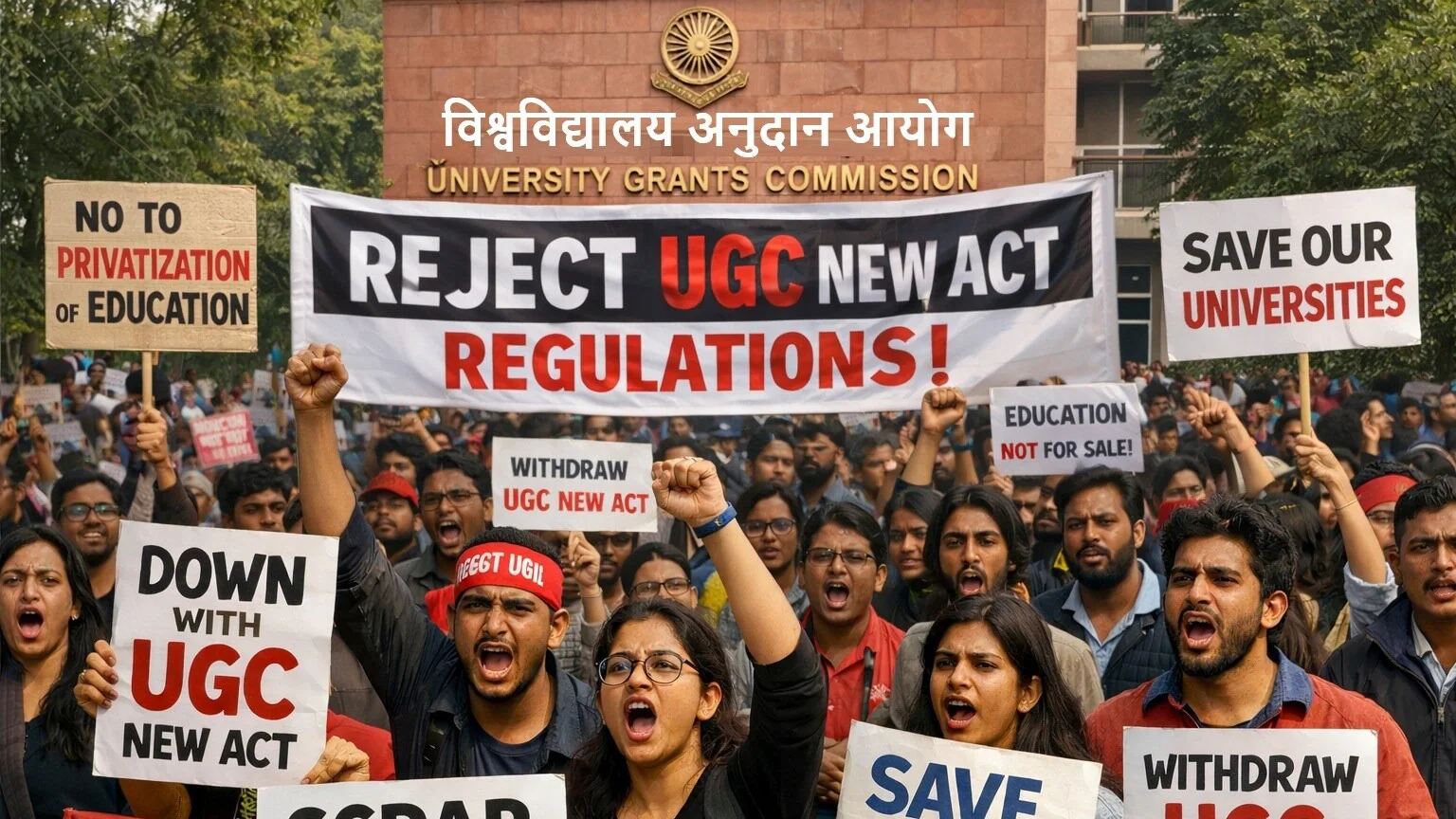
Overview of the Supreme Court’s Ruling
The recent ruling by the Supreme Court to stay the new University Grants Commission (UGC) regulations concerning caste-based discrimination has generated significant discourse across various sectors. The court’s decision came in response to petitions challenging the constitutionality and applicability of the regulations, which were intended to enhance the right to education for marginalized communities within India’s academic landscape.
The Supreme Court’s ruling emphasized the need for a thorough review of the UGC regulations to ensure they do not infringe upon the fundamental rights guaranteed by the Constitution. Critics of the regulations argued that they were poorly formulated and could potentially lead to an environment of division rather than fostering inclusion within educational institutions. As such, the court observed that a more comprehensive approach may be necessary to address the sensitive issues surrounding caste and discrimination while remaining attuned to the principles laid out in the Constitution.
Stakeholders across the spectrum have reacted strongly to the ruling. Educational institutions that were preparing to implement measures in compliance with the new regulations have expressed concern about the uncertainty created by the stay. Conversely, organizations advocating for the rights of socially marginalized groups view the ruling as a cautious approach, allowing for further dialogue on the complexities of caste-based issues in education. Meanwhile, political leaders and policymakers are now tasked with reevaluating the regulatory framework to balance educational equity with constitutional guarantees effectively.
As this situation evolves, the immediate implications of the Supreme Court’s decision are palpable. It raises questions about the future of educational equity, governmental responsibility, and the mechanisms in place to combat caste-based discrimination. The coming months will be critical in shaping discussions around these issues, as various stakeholders navigate the aftermath of this significant legal ruling.
Understanding the UGC Regulations
The University Grants Commission (UGC) introduced specific regulations aimed at addressing caste-based discrimination within higher education institutions in India. These regulations were a direct response to the persistent issues of unequal treatment and inequitable access to educational resources faced by students belonging to marginalized communities. The UGC sought to create an environment conducive to equality, primarily through the enhancement of institutional frameworks designed to support social justice initiatives.
Among the salient features of the UGC regulations were provisions for comprehensive counseling systems, targeted scholarships, and the establishment of special cells dedicated to monitoring and addressing grievances related to caste discrimination. These provisions aimed not only to mitigate the immediate challenges faced by affected students but also to foster an inclusive educational atmosphere where diversity is not merely tolerated but celebrated. In this context, the regulations underscored the importance of proactive measures, recognizing that awareness and education about caste discrimination are paramount to its eradication.
The introduction of these regulations was prompted by a multitude of factors, including documented instances of discrimination and violence against students from disadvantaged backgrounds, as well as the urgent need to fulfill the constitutional mandate of equality. The intended outcomes of the regulations encompassed an increase in enrollment and retention rates of students from marginalized communities, alongside a broader implementation of policies focused on social justice across educational institutions.
However, the anticipated challenges in implementing these regulations were significant. Concerns regarding bureaucratic inertia, lack of awareness, and resistance from various stakeholders could potentially undermine the effectiveness of these reformative measures. Additionally, there were fears that inadequate training and resources for institutions might lead to superficial rather than substantive adherence to these regulations, ultimately stifling the aspirations of students seeking equitable educational opportunities.
Potential Risks and Consequences of the Stay
The Supreme Court’s decision to stay the University Grants Commission (UGC) regulations aimed at combating caste-based discrimination raises significant concerns, particularly for marginalized communities. This stay could hinder the effective implementation of policies designed to promote equality and inclusion within educational institutions. Specifically, the absence of these regulations may lead to a resurgence of discriminatory practices, undermining the progress made in recent years in addressing caste disparities.
As educational settings often reflect broader societal norms, the stay may foster an environment that accepts or even encourages discriminatory attitudes. Without the regulatory framework intended to protect students from caste-based discrimination, there is a legitimate risk of increased instances of harassment and exclusion among students belonging to historically marginalized groups. This situation not only affects the immediate safety and well-being of these students but could also impact their academic performance and mental health.
In addition, the broader societal implications of this ruling cannot be overstated. Activists and educators are particularly troubled by the potential normalization of caste discrimination in educational institutions. The absence of a firm legal stance against such discrimination could embolden individuals and groups that perpetuate caste biases, leading to an erosion of social cohesion and respect for human rights. Furthermore, longstanding societal attitudes may become more entrenched, stalling efforts toward building a more equitable society.
Moreover, this ruling raises questions about future policies aimed at combating caste discrimination. Activists fear that the decision could set a precedent that ultimately complicates the establishment of effective regulatory measures in the long run. As communities resist or oppose legislative efforts to promote equality, the potential for regressive trends may increase, thereby jeopardizing the hard-fought gains in addressing caste disparities.
Future Directions and Reactions from the Education Sector
The recent decision by the Supreme Court to stay the new University Grants Commission (UGC) regulations addressing caste-based discrimination has generated a complex spectrum of responses from various stakeholders within the education sector. With the regulations aimed at fostering an inclusive and equitable educational environment, their suspension raises critical questions about the future trajectory of caste-based policies in academia.
Educational institutions are currently reassessing their commitment to anti-discrimination measures. Some universities are expressing concern about the potential impacts of the stay on their ongoing initiatives to promote diversity and inclusion among their student bodies. These institutions are likely to advocate for a reinstatement of the regulations while stressing the need to protect the rights of marginalized communities. Civil rights advocates are echoing these sentiments, arguing that the regulations are essential in addressing systemic inequalities rampant in the educational system.
Policymakers are now finding themselves in a crucial position where they must engage with the Supreme Court’s decision and reflect on the regulation’s implications. Discussions are anticipated to focus on proposing amendments that could address the concerns raised while still maintaining the intent to provide equitable access to education. This could include more robust mechanisms for oversight and accountability that ensure compliance with anti-discrimination policies.
Moreover, the situation presents an opportunity for a renewed dialogue among educational institutions, policymakers, and civil society. Cooperative efforts may lead to the development of comprehensive strategies that encompass various perspectives, ensuring that any future regulations are both effective and just. Re-engaging with the issue of caste-based discrimination is paramount, as it aligns with ongoing efforts to cultivate a more inclusive educational landscape, ultimately benefiting all students.