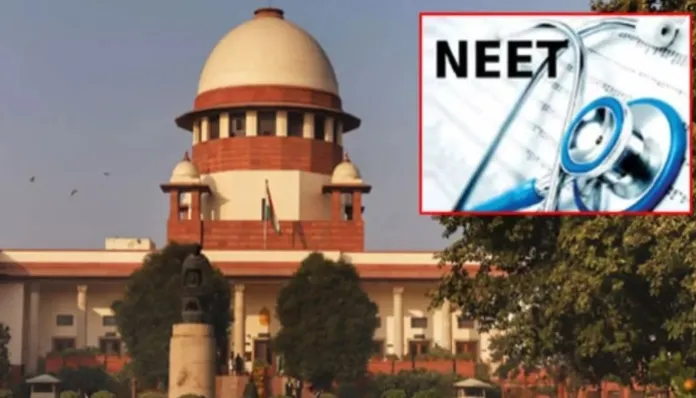
NEET-UG 2025 manipulation case : The National Eligibility cum Entrance Test (NEET-UG) is a pivotal examination in India that regulates admissions to undergraduate medical programs across the nation. Conducted by the National Testing Agency (NTA), it assesses the aspiring medical students’ proficiency in subjects such as Physics, Chemistry, and Biology. NEET-UG holds immense significance as it serves as a gateway for many students seeking a career in medicine, making the integrity of the examination crucial for maintaining educational standards in the country.
Read More; NEET-UG 2025 manipulation case
The NEET-UG 2025 manipulation case has emerged as a serious concern, raising questions about the examination’s integrity. Allegations suggest that a consultant orchestrated a scheme designed to manipulate the results of candidates taking the NEET-UG exam, potentially granting unfair advantages to specific students. This manipulation not only jeopardizes the principles of meritocracy but also adversely affects those who adhere to the legitimate channel of admission. Such practices pose a significant risk to the credibility of the medical education system in India.
Key players in this high-profile case include the consultant accused of orchestrating the malpractices and the candidates allegedly involved in these manipulations. The unfolding events began with an investigation that exposed discrepancies in answer sheets and suspicious behavior surrounding test-takers. Following these revelations, law enforcement agencies initiated a crackdown on the network responsible for these unethical actions.
As the timeline progressed, the court was approached to make rulings regarding the consultant’s involvement, culminating in a refusal to grant pre-arrest bail. This decision highlights the gravity of the charges, with wider implications for the students impacted by these malpractices. The case serves as a reminder of the importance of maintaining integrity within entrance examinations and the broader educational system in India.
Court Proceedings and Bail Denial
The court proceedings regarding the pre-arrest bail application of the involved consultant have drawn considerable attention due to the controversial nature of the NEET-UG 2025 manipulation case. During the hearings, the prosecution presented a robust argument against granting bail, alleging that the consultant’s involvement in the manipulative activities poses a significant threat to the integrity of the examination process and the broader educational framework. They emphasized the potential to influence witness testimonies and the risk of tampering with evidence, claiming that allowing the individual to remain free could jeopardize the ongoing investigation.
Conversely, the defense counseled caution, asserting that pre-arrest bail is essential to ensure the consultant’s right to a fair process. The defense further contended that the consultant had not been formally charged and therefore should not be presumed guilty. They cited several legal precedents, suggesting that denying bail might contradict established principles of justice and individual rights. The defense argued that the applicant had no prior criminal record and fully intended to cooperate with all investigative measures.
Ultimately, NEET-UG 2025 manipulation case the court’s denial of pre-arrest bail was grounded in a legal framework that prioritizes the preservation of evidence and the prevention of further criminal activity. The judge’s ruling highlighted the weight of the accusations, which included collusion and fraudulent practices, warranting a careful approach to any potential bail considerations. Significant quotations from the proceedings reflected the court’s concern over public trust in educational examinations. This decision places the consultant’s legal standing in a precarious position as the investigation into the alleged manipulations continues, potentially impacting both their career and future prospects.
Implications for NEET-UG Aspirants and Educational Bodies
The manipulation case related to NEET-UG 2025 has far-reaching implications for prospective candidates and educational institutions throughout India. The integrity of entrance examinations is crucial for students, as these assessments determine their eligibility for various medical courses. When allegations of manipulation and corruption arise, NEET-UG 2025 manipulation case raises significant concerns about the fairness and transparency of the examination process. Aspiring candidates may now question whether their hard work and dedication can yield the expected outcomes, eroding the trust essential for a fair examination system.
Furthermore, NEET-UG 2025 manipulation case incident may prompt authorities to re-evaluate existing policies and regulations governing entrance exams. Educational bodies might initiate a review of their current practices, creating stronger protocols to combat cheating and unethical practices. The Ministry of Education could consider implementing stricter measures to monitor exams, increasing the presence of surveillance technology and employing more stringent auditing procedures. Such changes aim to restore public confidence in the examination process, ensuring that meritocracy prevails in determining student admissions into medical colleges.
The emotional toll on NEET-UG aspirants cannot be overlooked. Students face immense pressure as they prepare for this crucial examination, and the fear of a skewed testing environment can amplify their anxieties. Ultimately, the consequences of this manipulation case could lead to a broad societal dialogue about educational ethics and integrity. Stakeholders, including parents, educators, and policymakers, must collaborate to foster a culture of honesty and accountability. Only through collective action can trust in the educational system be rejuvenated, allowing students to pursue their ambitions without the burden of doubt about the legitimacy of their efforts.
Expert Opinions and Future Projections
The recent NEET-UG 2025 manipulation case has raised significant concerns among stakeholders in the educational sector, prompting a variety of expert opinions. Legal analysts have highlighted that this incident may not only trigger immediate repercussions for those involved but could also catalyze necessary reforms in the examination system itself. They suggest that integrity in academic assessments is paramount; as such, ensuring a transparent and fair evaluation process will be critical moving forward. The manipulation case serves as a stark reminder that any lapse in systemic integrity can undermine the trust placed in examinations by students and educators alike.
Furthermore, NEET-UG 2025 manipulation case educational leaders have expressed the need for enhanced oversight and regulation of entrance examinations like NEET-UG. They advocate for a comprehensive review of examination governance structures, which could lead to the implementation of more stringent monitoring mechanisms. Such reforms could help prevent similar incidents in the future and restore faith in the assessment process. Additionally, they emphasize the necessity for collaboration among educational institutions, regulatory bodies, and governmental entities to ensure that the framework surrounding student assessments aligns with ethical standards and promotes equality.
Student advocacy groups have also weighed in, stressing that the long-term effects of such manipulation could be detrimental. They foresee that trust in the NEET-UG process will diminish, potentially affecting student morale and aspirations. Their predictions indicate that if systemic changes are not effectively implemented, student participation and confidence in future examinations may decline, leading to inequitable educational outcomes. As discussions continue surrounding this manipulation case, the consensus among experts seems to underscore the critical importance of integrity and fairness in academic assessments, ensuring that future reforms adequately address these issues.