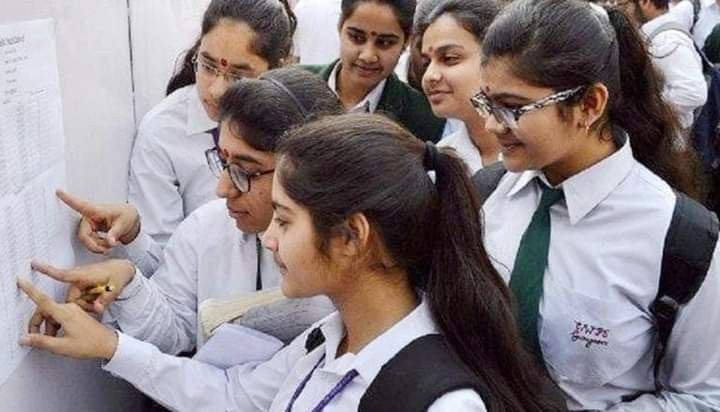
NEET SS 2025 The National Eligibility cum Entrance Test for Super Specialty (NEET SS) is a crucial exam for medical professionals aspiring to pursue advanced education in various specializations across India. Conducted by the National Board of Examinations (NBE), the NEET SS serves as a gateway for admission into super specialty programs, which are essential for furthering expertise in fields such as cardiology, neurology, and gastroenterology, among others. This exam not only evaluates the knowledge and skills of the candidates but also plays a pivotal role in shaping the healthcare landscape by ensuring that adequately trained specialists are available to cater to the growing medical needs of the population.
In recent developments pertaining to the NEET SS 2025 admissions, significant changes have been prompted following a directive issued by the High Court. The High Court’s intervention has led to an allowance for scanned documents during the admission process, particularly benefiting candidates from Scheduled Castes (SC) and Scheduled Tribes (ST). This alteration aims to alleviate some of the administrative burdens faced by these candidates, especially in remote areas where access to documentation can be problematic. In an age where digital solutions are increasingly becoming the norm, such a shift represents a progressive step toward inclusivity and accessibility in medical education.
The implications of this ruling extend beyond mere convenience; they reflect a broader commitment to equity in the realms of medical admissions. By facilitating the participation of SC and ST candidates, the NEET SS admissions process is becoming more representative of the diverse demographic fabric of India. As we delve deeper into the recent changes in the admission procedure, it is crucial to understand their significance and potential impact on the future of medical education in the country. The following sections will provide a detailed exploration of the changes introduced and their implications for aspiring medical professionals in India.
Details of the High Court Order
NEET SS 2025 The recent decision by the High Court regarding the admission process for NEET SS 2025 has significant implications for candidates in Rajasthan. The court mandated that the Medical Counseling Committee (MCC) permit scanned documents as a valid form of submission for the admission process. This ruling emerged following a series of petitions from aspiring medical students, who argued that the traditional requirement for physical document submission created undue hardships, especially in light of the ongoing challenges posed by the pandemic.
The main parties involved in this case included the petitioners, who represented a wide array of students and educational advocates, and the MCC, which oversees the admission process for various medical courses in India. The petitioners highlighted instances where students faced logistical issues or health-related concerns that hindered their ability to submit original documents in a timely manner. The High Court found these arguments compelling, emphasizing that accessibility should be a priority in educational admissions.
This landmark ruling not only underscores the court’s recognition of evolving educational needs but also paves the way for other regulatory bodies to reconsider their documentation policies. The decision enables students to upload scanned copies of their necessary documents, which should facilitate a smoother admission process for NEET SS 2025 in Rajasthan. This is especially beneficial for those who might be remote or unable to travel due to health or economic constraints. The MCC is now expected to revise its admission guidelines to align with this directive, ensuring that candidates are not disadvantaged due to rigid document submission requirements.
The recent decision by the Medical Counseling Committee (MCC) to accept scanned documents for the NEET SS 2025 admission process marks a significant shift in the admission landscape, particularly in Rajasthan. This change is expected to yield numerous practical implications for candidates, streamlining the overall admissions process while addressing previous hurdles faced by applicants.
One of the primary advantages of accepting scanned documents is the reduction in the logistical burdens confronted by students. Traditionally, candidates were required to present original documents in person, often leading to unnecessary delays and complications, especially for those residing in remote or rural areas. By enabling the submission of scanned documents, MCC is facilitating a more accessible method of document verification, allowing candidates to complete their applications from the comfort of their homes.
Moreover, this adjustment aligns with contemporary practices seen across various sectors, where digital documentation is becoming increasingly prevalent. The acceptance of scanned documents can potentially expedite the verification process, reducing the time taken to confirm candidates’ eligibility, which is particularly critical in a field as competitive as medical admissions.
Additionally, this change reflects a response to the issues surrounding document authenticity and the administrative bottlenecks often encountered during admission seasons. By standardizing the use of scanned documents, the MCC is likely to minimize inconsistencies in document handling and improve the overall efficiency of the admissions process.
It is also crucial to consider that this flexibility accommodates a broader range of students, including those who may have faced challenges in accessing original documentation due to various circumstances. As a result, the acceptance of scanned documents promotes inclusivity and ensures that deserving candidates are not disadvantaged due to procedural obstacles.
Conclusion and Future Outlook
NEET SS 2025 The recent decision by the Medical Counseling Committee (MCC) to permit scanned documents for NEET SS 2025 admissions in Rajasthan marks a significant shift in the admissions process. This amendment, prompted by a High Court order, aims to streamline procedures and accommodate the needs of candidates. The flexibility offered through accepting scanned documentation could lead to increased accessibility, ultimately encouraging a greater number of candidates to participate in the NEET SS examinations.
Prospective medical professionals may find this adjustment to be particularly beneficial, as it potentially reduces bureaucratic hurdles often associated with traditional admissions processes. Candidates who may have faced barriers due to logistical challenges in procuring physical documents could find that their ability to submit essential materials digitally enhances their prospects for admission. This change in policy aligns with broader trends in educational institutions toward embracing technology and more adaptable admission criteria, reflecting a growing understanding of the diverse circumstances candidates face.
Looking ahead, this modification in document submission standards may not only improve candidate turnout but could also influence overall admission trends. Institutions may witness an increase in application numbers, as the revised approach may appeal to a wider pool of qualifying candidates. Furthermore, the response from other states or regulatory bodies observing Rajasthan’s initiative will likely dictate how admissions processes may evolve across the country, potentially leading to a unified approach that prioritizes accessibility and efficiency.
In conclusion, the MCC’s decision represents a forward-thinking step for NEET SS admissions, positing a more inclusive environment for aspiring medical professionals. Future developments will determine the long-term impacts on application rates and the broader implications for medical education in India.