NEET PG admissions The National Eligibility cum Entrance Test for Postgraduate (NEET PG) serves as a crucial assessment for medical graduates aspiring to pursue postgraduate education in India. It plays a pivotal role in determining entry into various medical colleges, thereby influencing the quality of healthcare professionals in the country. NEET PG admissions are designed to ensure that candidates are evaluated on a standardized basis, promoting equal opportunities for all individuals seeking advanced medical education.
Quota systems are integral to the admission process, aimed at enhancing fairness and inclusivity in educational opportunities. These systems often consist of reserved seats for underrepresented and disadvantaged groups, ensuring that a diverse range of candidates can access medical education. The legal framework supporting these quota systems is governed by various state and national policies, which are designed to align with India’s constitutional mandate of promoting social justice and equality.
As the NEET PG admission process unfolds annually, the appreciation of merit-based admissions alongside reserved seats presents a need for constant evaluation. The balance between these two approaches is paramount to uphold the integrity of the educational system. The recent involvement of the Supreme Court brings to light the challenges and responsibilities of maintaining fairness in admissions. The apex court’s stance on quota misuse in NEET PG admissions emphasizes the significance of ensuring that reserved seats fulfill their intended purpose, rather than being exploited. This vigilance is essential for safeguarding the quality of medical education and ensuring equitable access for all aspiring postgraduate students.
Recent Supreme Court Ruling on Quota Misuse
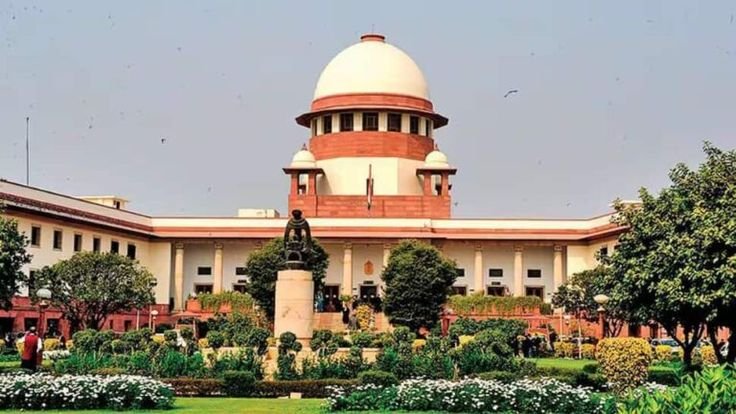
The recent ruling by the Supreme Court of India regarding the quota system in NEET PG admissions has brought to light significant concerns regarding the integrity of the admissions process. This decision was rooted in allegations of misuse of the quota system, which is designed to provide equitable opportunities to underprivileged groups while maintaining a standard of merit. The case was critical as it involved various stakeholders including educational institutions, government bodies, and affected candidates.
In its ruling, the Supreme Court emphasized the need for transparency in the allocation of quotas and pointed out several instances where quotas were reportedly misused, undermining the very purpose they were meant to serve. The court identified that certain applicants were inappropriately leveraging their quota status, thereby compromising the merit-based selection process that NEET PG admissions fundamentally rely upon. These findings call attention to the potential exploitation of the quota provisions, which could disadvantage genuinely deserving candidates.
The court’s observations reflect a broader concern about ensuring that affirmative action does not lead to inequity in high-stakes admissions. The ruling also underscored the importance of strict adherence to guidelines and accountability concerning quota allocations. It aims to balance the intent of the quota system—ensuring adequate representation of marginalized groups—while firmly rooting the process in merit-based assessment.
Furthermore, the ruling serves as a reminder to all stakeholders involved in NEET PG admissions that the integrity of the selection process must be upheld to maintain public trust and confidence. In doing so, the court has opened the floor for discussions on how best to reform and regulate the quota system to prevent future misuse, ensuring that the ideals of fairness and equality in education are truly honored.
Implications of the Ruling for NEET PG Admissions
NEET PG admissions The recent ruling by the Supreme Court regarding the misuse of quotas in NEET PG admissions marks a pivotal moment for the medical education landscape in India. This judgment is expected to significantly influence the admissions process in the coming years by fostering a more meritocratic environment for prospective medical students. One of the ruling’s primary implications is the necessity for institutions to reassess and revamp their quota systems in a manner that aligns with the legal standards stipulated by the Court.
Medical colleges across the country may now face heightened scrutiny regarding the fairness and transparency of their admissions processes. This newfound emphasis on accountability is likely to affect how quotas for various categories, including economically weaker sections, are implemented. Medical educators and administrators will need to ensure that these quotas are utilized correctly to benefit the deserving students without compromising the principles of equality and merit.
Reactions from various stakeholders, including students, educators, and policymakers, have been mixed. Many students express relief that the ruling could lead to a more equitable admissions process devoid of unwarranted advantages granted through quota misuse. On the other hand, some educators worry that this ruling may lead to a decline in diversity within educational institutions if not balanced appropriately. Policymakers will need to navigate these sentiments while considering future reforms in admissions policies.
Potential challenges in enforcing the ruling are also anticipated. Institutions may face operational difficulties in recalibrating their existing quota frameworks within their admissions protocol. Additionally, the possible backlash from various groups advocating for different quota implementations could pose significant hurdles. The ongoing discourse surrounding this issue will undoubtedly shape future educational reforms and set a precedent for other sectors dealing with quota systems in India.
Conclusion and Future Directions for Medical Admissions
NEET PG admissions The Supreme Court’s recent ruling on the misuse of quotas in NEET PG admissions highlights the ongoing tension between equitable access and merit-based selection. This decision underscores the necessity of vigilance in ensuring that such quotas, designed to assist underrepresented groups, are implemented fairly and transparently. It emphasizes that the integrity of the admissions process must be upheld to foster trust in the educational system and ensure that all candidates are evaluated on their merits.
Moving forward, it is crucial for regulatory bodies to develop and implement robust monitoring mechanisms to prevent quota misuse. These measures should include routine audits of admissions processes to ensure compliance with legal frameworks and adherence to established ethical standards. Additionally, stakeholders in education and policy-making must initiate dialogues aimed at refining existing quota systems, ensuring they effectively support those in need without compromising the meritocratic foundations of medical admissions.
Advocacy for educational reforms should continue to be a priority, focusing on enhancing access to quality education and support systems for disadvantaged communities. Initiatives could include scholarships, mentorship programs, and targeted preparatory courses that equip candidates with the necessary skills to excel in competitive examinations like NEET PG.
The Supreme Court’s decision sets a significant precedent for similar cases in the future, reinforcing the principle that while affirmative action is essential, it must be executed with caution and clear parameters. It will be imperative for educational institutions to remain vigilant, ensuring that the spirit of the law is upheld while fostering an environment conducive to academic achievement for all candidates. As we look to the future, a balanced approach must be taken in medical admissions that respects equity, inclusivity, and excellence.