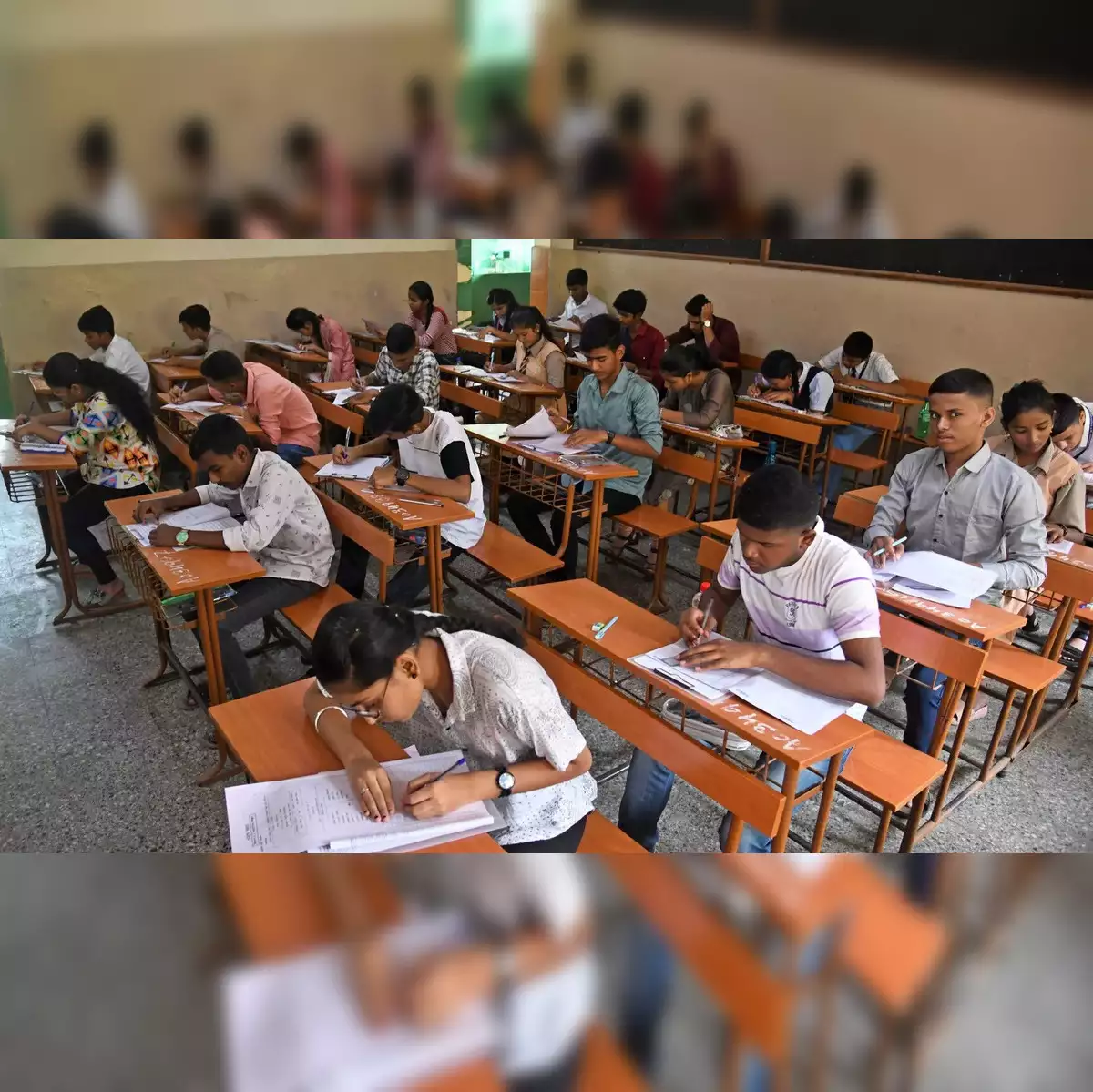
NEET PG 2025 The National Eligibility cum Entrance Test for Postgraduate (NEET PG) 2025 is a critical examination for aspiring medical professionals in India, serving as a gateway to postgraduate medical education. NEET PG 2025 holds substantial significance in shaping the future of budding medical students, as it determines their eligibility for various master’s and diploma courses across the country. Given the competitive nature of this examination, achieving a good score is paramount for candidates wishing to secure a desired specialization in medicine.
In recent developments, the authorities have made a noteworthy decision concerning the cut-off marks, lowering them to 0 percentile specifically for candidates from reserved categories. This decision signals a shift towards inclusivity in the selection process for postgraduate medical education. The rationale behind reducing the cut-off is to ensure that candidates belonging to scheduled castes, scheduled tribes, and other backward classes have fair access to medical education opportunities, thus enhancing diversity in the medical profession.
This adjustment in the cut-off is expected to have several implications for the counselling process. It opens up opportunities for a broader pool of candidates who may have previously been unable to meet the higher thresholds. By establishing a zero percentile minimum requirement, it encourages participation from reserved category students, supporting governmental objectives of educational equity and inclusion. This strategic move ultimately aims to uplift the representation of marginalized communities within the healthcare system, enhancing the capacity to provide diverse and equitable medical care in the long term.
The recent decision to lower the NEET PG 2025 cut-off to 0 percentile for candidates belonging to reserved categories has significant implications for medical admissions. This adjustment is likely to create enhanced opportunities for aspiring medical students from these groups, facilitating their entry into the medical profession. Traditionally, individuals from reserved categories have faced numerous hurdles within competitive examinations, often resulting in lower admission rates compared to their non-reserved counterparts. By establishing a 0 percentile threshold, the barriers to entry have been significantly reduced.
With the lowered cut-off, more candidates from reserved categories are expected to qualify for counseling sessions, thereby expanding their access to medical schools. This could result in an increased diversity within the medical field, leading to healthcare practices that are more attuned to the unique needs of varied populations. Furthermore, broadening the pool of admitted students can foster a richer learning environment, as it introduces a variety of perspectives and experiences into medical education.
This policy adjustment not only boosts the number of reserved category candidates gaining admission but may also shift the competition dynamics in medical entrance examinations. Candidates who previously felt disheartened by the high cut-off scores may now feel encouraged to pursue their dreams. Testimonials from students who are positively impacted by this change illuminate the transformative potential of such policies. One student remarked, “For years, I felt that the barriers were insurmountable. Now, with a cut-off of 0 percentile, I finally see a pathway to realize my ambition of becoming a doctor.” Such reflections underscore the critical importance of policies that aim to level the playing field in education.
Eligibility Criteria and Counselling Process for NEET PG 2025
NEET PG 2025 The eligibility criteria for candidates intending to appear for NEET PG 2025 have been established to ensure a fair evaluation process. All candidates must possess an MBBS degree or an equivalent qualification recognized by the Medical Council of India. Additionally, they should have completed their internship by the time the exam concludes. Notably, the eligibility criteria differ for reserved categories, including SC, ST, and OBC applicants, who are subject to specific provisions that facilitate their participation in the examination and subsequent counselling process.
This year, the cut-off for counselling has been notably lowered to 0 percentile for candidates belonging to reserved categories, which is a significant change from previous norms. This adjustment allows a broader spectrum of candidates to qualify for the counselling rounds, potentially increasing diversity in medical specializations. It is imperative for candidates to stay informed on departmental notifications that outline the eligibility criteria as well as any necessary documentation required during the application process.
The counselling process for NEET PG 2025 will predominantly occur in multiple rounds. Candidates can register online on the official website, providing relevant personal and academic details. The timeline for registration, document verification, and seat allocation will adhere to a structured calendar published by the National Board of Examinations. As the counselling progresses, candidates may be presented with choices based on their merit and preferences. Furthermore, state-specific policies may influence the counselling process, particularly regarding reservation quotas.
In light of the recent developments regarding the cut-off, it is crucial for prospective candidates to stay updated on all regulations and procedural guidelines to ensure a smooth application and counselling experience. Adequate preparation and awareness will enhance their chances of securing their desired seat in a postgraduate medical programme.
Future Implications and Conclusion
NEET PG 2025 The decision to lower the NEET PG 2025 cut-off to 0 percentile for reserved categories signals a progressive shift in the medical education landscape in India. This move holds the potential to reshape medical aspirants’ trajectories, offering opportunities that were previously inaccessible to many individuals from disadvantaged backgrounds. A reduced cut-off is indicative of a commitment to inclusivity, promoting equity among aspiring medical professionals and addressing systemic disparities in educational access.
The immediate implications of this policy change are likely to result in an influx of candidates qualifying for PG courses who may not have had the requisite scores under the traditional cut-off. This, in turn, is expected to stimulate a more diverse pool of healthcare professionals, ultimately benefiting patients from varying backgrounds across the country. As healthcare becomes increasingly multifaceted, the integration of diverse perspectives within the medical community is essential for addressing varied health issues effectively.
Moreover, the easing of the cut-off underscores the government’s broader agenda aimed at enhancing accessibility to education and healthcare. This aligns with national policies that advocate for higher representation of marginalized communities within medical professions, ensuring that the future generation of healthcare providers is reflective of India’s demographic diversity. While it is crucial to maintain educational standards, this initiative raises questions regarding the balance between meritocracy and inclusivity.
In conclusion, the reduction of the NEET PG cut-off to 0 percentile for reserved categories has far-reaching implications for medical education and the healthcare system in India. It promotes inclusivity and aims to rectify historical disparities within the education framework. Future cohorts of medical aspirants may benefit from this shift, paving the way for a more robust and representative healthcare workforce in the years ahead.