Naga Students’ Federation
Naga Students’ Federation NEET is an essential examination in India, primarily designed to facilitate admissions to undergraduate medical courses across the country. With a significant number of aspiring medical students, NEET has become a pivotal aspect of educational access. Introduced in 2013, NEET has undergone various changes and amendments, reflecting the evolving landscape of medical education in India. A crucial aspect of this examination is the implementation of state quotas, which entitle students from various states to reservations in medical colleges based on their regional affiliations. This system was enacted to promote equity and ensure that local students secure opportunities within their home states.
However, the introduction of NEET has not been without controversy, particularly in the northeastern region, where unique socio-economic and cultural factors influence educational access. In states like Nagaland, students have raised concerns regarding the adequacy and fairness of the state quota provisions. Many argue that the limited number of medical seats and discrepancies in the implementation of quotas have resulted in systemic inequities. These issues are further exacerbated by the perceived lack of a supportive infrastructure for students preparing for highly competitive examinations like NEET.
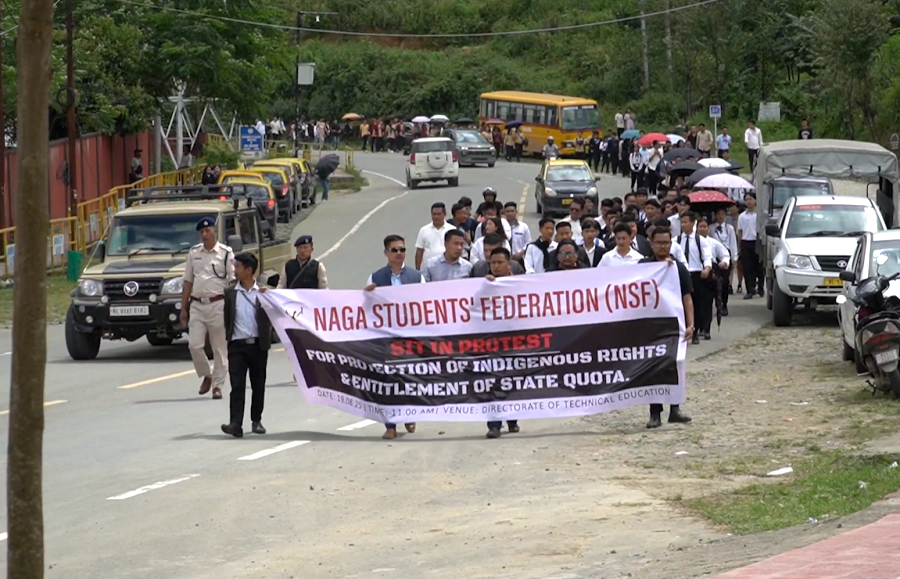
Ongoing tensions have manifested in various forms, with student groups, such as the Naga Students’ Federation, vocalizing their discontent regarding the discrepancies in the NEET state quotas. The crisis has culminated in protests, as students demand clarity and fairness in the allocation of medical seats. These events underline the growing frustrations among students striving for educational opportunities amidst bureaucratic challenges. The backdrop of these protests highlights the pressing need for a comprehensive review of the NEET process, especially concerning state quotas, to ensure it serves all students equitably, particularly from marginalized regions like Nagaland.
The Emergency Protest: Objectives and Demands
The emergency protest orchestrated by the Naga Students’ Federation (NSF) aimed to address critical concerns surrounding the National Eligibility cum Entrance Test (NEET) and its implications for the student community of Nagaland. One of the primary objectives of this protest was to advocate for the implementation of a fair state quota system. Such a framework is essential to ensure that Naga students receive adequate representation in medical and engineering college admissions, fostering equitable opportunities in higher education.
Another significant goal of the NSF during the protest was to urge the authorities to review and revise the existing NEET quota system. The students expressed their belief that the current framework disproportionately disadvantages Naga candidates, limiting their access to essential healthcare education. This sentiment resonated throughout the protest as participants raised awareness about the specific challenges they face, highlighting the need for a more Just allocation of seats that reflects the demographics of the state.
Furthermore, the NSF’s demands encompassed equitable admission policies that would account for the unique contexts and backgrounds of Naga students. The federation stressed that every student should have the right to aspire to and gain admission into professional courses based on merit and a fair representation in the competitive engagement of NEET. Through this protest, the Naga Students’ Federation not only aimed to galvanize support from stakeholders but also to send a clear message regarding their aspirations for a more equitable educational environment. The enthusiasm demonstrated by the participants illustrated a collective resolve to seek justice and recognition for their rights within the broader spectrum of national education policies.
Public and Government Response : Naga Students’ Federation
The emergency protest organized by the Naga Students’ Federation (NSF) has elicited a strong and varied response from the public, educational institutions, and government bodies. Following the demonstration, community members and student organizations have rallied around the cause, highlighting a deep sense of solidarity with the Naga students. This collaboration represents not only a response to the immediate grievances linked to the NEET state quota but also a commitment to ensuring equitable access to education for all students in the region. The active participation of local communities in support of the NSF’s protest illustrates the importance of collective action in addressing systemic issues within educational policies.
Public opinion has largely favored the students’ demands for better representation in the National Eligibility cum Entrance Test (NEET) state quota allocation. This support has manifested through social media campaigns, community meetings, and gatherings aimed at boosting awareness of the challenges faced by Naga students in pursuing higher education. Educational institutions have also joined the dialogue, initiating discussions on how to best support their students amidst the ongoing crisis. Many faculty members express concern over the implications of insufficient state representation and the potential marginalization of Naga students in national examinations and admissions processes.
On the government side, officials have responded to the protests with a blend of caution and openness. Statements have been issued by local government representatives recognizing the concerns raised by the NSF. These responses have included proposals for meetings aimed at discussing possible reforms to address the grievances. However, the effectiveness and timeliness of governmental action remain subjects of scrutiny, as many stakeholders await concrete solutions. The developments surrounding the NSF’s protest highlight the ongoing struggle for educational equity and the broader implications it poses on government policies, community relations, and student rights within the Naga region.
Future Implications for Naga Students’ Federation
The ongoing NEET state quota row represents a significant junction not only for the Naga student community but also for the broader landscape of educational policies across India. As the protest staged by the Naga Students’ Federation (NSF) garners attention, it highlights the crucial need for equitable distribution of educational opportunities. If the NSF’s efforts result in favorable changes in admission policies, this could serve as a precedent for other states facing similar challenges. The outcome of this protest could reshape how states negotiate their quotas in national examinations, shifting the dialogue toward a more equitable representation in medical education.
For students from Nagaland, the stakes are particularly high. The resolution of the NEET quota issue could determine not just their immediate prospects for admission into medical colleges, but also their long-term educational pathways. Should the NSF succeed in advocating for a more favorable quota system, it would open doors for many students who might otherwise face barriers due to a lack of representation. Enhanced admission prospects would subsequently encourage a more diverse and inclusive medical community, nurturing better healthcare outcomes in the region.
Moreover, this protest may inspire other student bodies across India to take a stand against perceived inequities in educational policies. The NSF’s actions could lead to a ripple effect, wherein various regional student organizations organize protests to advocate for their rights, ultimately fostering a national dialogue about educational equity. As such, the ongoing NEET state quota row not only reflects the specific needs of Naga students but may also serve as a catalyst for broader reform in higher education access across the nation.