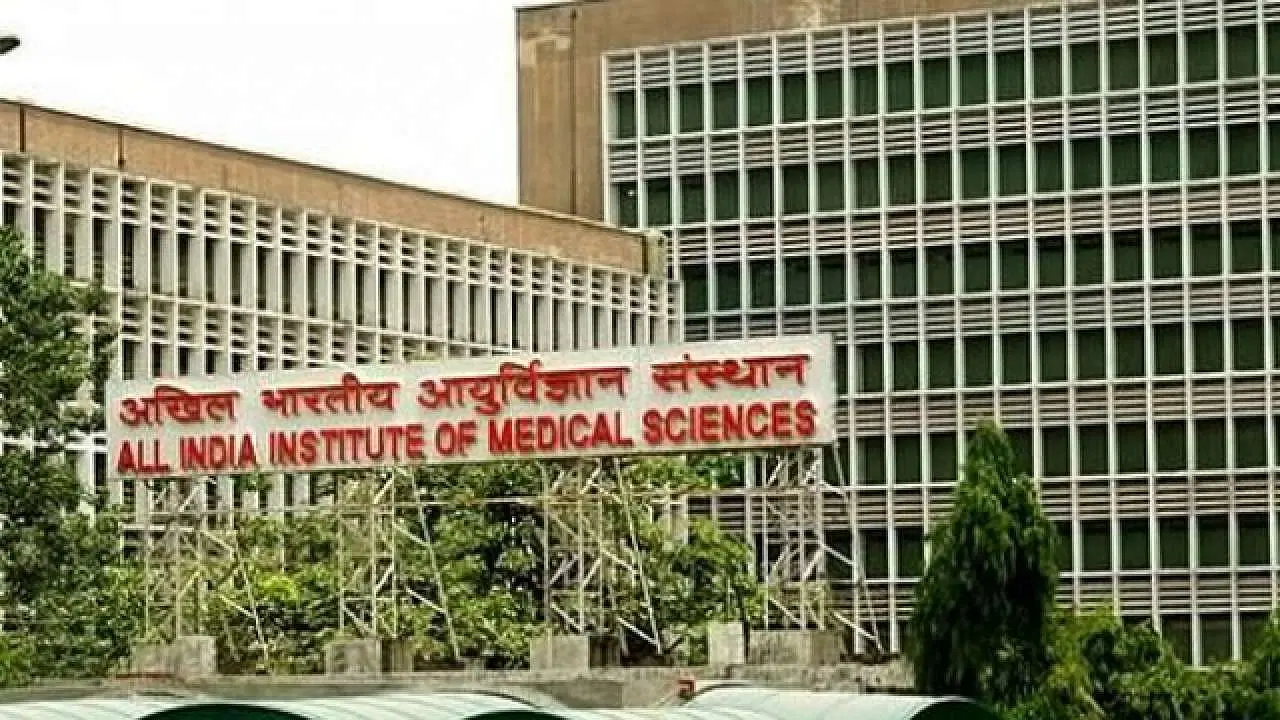
MBBS Admissions in Maharashtra: The process of securing admission to the MBBS program in Maharashtra is primarily governed by the National Eligibility cum Entrance Test (NEET). This national-level examination serves as a pivotal criterion for aspiring medical students, enabling them to compete for coveted seats in various medical colleges across the state. NEET scores play a crucial role in the allocation of seats, as they determine the eligibility of candidates for different categories of medical institutions, both government and private.
In Maharashtra, the admission process is managed by the Directorate of Medical Education and Research (DMER). Each year, after the release of NEET results, a centralized admission procedure is initiated, where candidates are required to fill out online forms to express their preferences for colleges and courses. The allocation of seats is done based on a combination of NEET scores, the preferences indicated by candidates, and the established cutoffs for each institution. This system aims to ensure a fair distribution of seats and maintain standards in medical education.
Over the years, the NEET cutoff trends in Maharashtra have garnered attention, reflecting shifts in student performance and the overall competition. A noticeable aspect of the current admissions cycle is the declining trend in NEET cutoffs, which raises concerns about the quality of applicants and the integrity of the admissions process. Particularly in private medical colleges, discrepancies and irregularities have been reported, prompting discussions on the need for transparency and regulatory oversight. This evolving landscape of MBBS admissions in Maharashtra has significant implications not just for students, but for the future of medical education and healthcare in the state.
Concerns Over Low NEET Cutoffs
MBBS Admissions in Maharashtra: The low NEET cutoffs in Maharashtra have raised significant concerns among students, parents, and educational authorities alike. An examination of the reasons behind these low cutoffs provides insight into the complex landscape of medical education within the state. One contributing factor may be the increasing number of medical colleges in Maharashtra, leading to heightened competition for available seats. As more institutions emerge, the influx of applicants may not always correspond with the requisite level of preparedness, thereby affecting the median scores achieved in the National Eligibility cum Entrance Test (NEET).
Additionally, many aspiring medical students often face challenges related to inadequate academic resources, coaching, and mentorship. This can lead to lower performance in NEET, ultimately resulting in cutoffs that do not accurately reflect the potential capability of candidates. The educational authorities’ emphasis on accessibility to medical education may inadvertently dilute the standards expected of incoming students, further complicating the issue.
MBBS Admissions in Maharashtra: The impact of these low cutoffs on the quality of medical education is profound. Experts argue that the decreasing benchmarks could prompt a perception of diminished value associated with degrees from certain institutions. This has led to a growing concern amongst parents and students regarding the quality of training and education that future medical professionals would receive, thus potentially affecting healthcare outcomes in the long term.
Reactions from stakeholders underscore the complexity of low NEET cutoffs. Some advocates assert that systemic changes are necessary to address the root causes, including reforming examination strategies and enhancing educational support for aspiring medical professionals. In contrast, others posit that these cutoffs are symptomatic of shifting educational preferences, wherein students are increasingly drawn to the allure of emerging medical specialties and alternative careers, thus affecting the overall resolve and ambition to excel in traditional pathways.
Irregularities in Private Medical Colleges
MBBS Admissions in Maharashtra: In recent years, concerns surrounding irregularities within private medical colleges in Maharashtra have come to the forefront, particularly in the context of MBBS admissions. Allegations have surfaced regarding capitation fees, unethical practices in admissions, and the allocation of unapproved seats, raising serious questions about the integrity of the admissions process. Capitation fees, which are essentially paid as a prerequisite for securing a seat, often bypass the standard fee structure, creating an uneven playing field for aspiring medical students.
In addition to financial discrepancies, reports indicate discrepancies in the admissions process, where unapproved seats are allegedly filled without adherence to the established guidelines. These practices undermine the credibility of educational institutions and pose challenges to regulatory bodies tasked with ensuring fairness and transparency. The regulatory challenges are compounded by the fact that many private colleges operate independently, leaving room for malpractices if not tightly monitored.
In response to these irregularities, regulatory authorities such as the Maharashtra University of Health Sciences and the Medical Council of India have initiated investigations into several private medical colleges. These investigations aim to address allegations of fraud and enforce compliance with existing policies. Policy changes are also being proposed to ensure online transparency during the admissions process, which includes strict guidelines for the allocation of seats and a ban on capitation fees.
The implications of these malpractices extend beyond the admissions stage; they can significantly affect student outcomes, equity in education, and ultimately, the quality of healthcare delivery in the region. As the government and regulatory bodies take steps to correct these issues, it is crucial for all stakeholders, including students and parents, to remain vigilant and informed about admissions policies and practices in private medical colleges. This vigilance will help foster an educational environment that upholds standards and prioritizes meritocracy in the field of medicine.
Future Implications and Recommendations
MBBS Admissions in Maharashtra:The current situation regarding MBBS admissions in Maharashtra presents numerous implications for students, educational institutions, and the healthcare sector at large. One significant concern is the potential dilution of academic standards, as low NEET cutoffs may encourage students with inadequate preparation to pursue medical education. This could lead to a generation of healthcare professionals lacking essential knowledge and skills, adversely impacting patient care quality and safety in the region. Consequently, it is imperative to establish a robust framework that aligns admission criteria more closely with the competencies required in the medical field.
For educational institutions, irregularities in private college admissions undermine their credibility and efficacy in imparting quality education. This dilemma could discourage deserving students from seeking admission in reputable institutions, ultimately affecting the reputation of medical colleges and their ability to attract competent faculty. In light of this, collaboration between the government and medical colleges is essential to achieve transparency in the admission process and guarantee compliance with established guidelines.
To address these challenges, it is crucial for stakeholders—including government authorities, educational institutions, and aspiring medical students—to work together in refining the MBBS admissions procedure. Recommendations for government agencies include reviewing and revising NEET cutoff policies to ensure they reflect realistic and demanding standards crucial for medical studies. Additionally, promoting awareness among prospective students about the implications of relaxed admission criteria could enhance their understanding of the significance of NEET scores in determining their preparedness for medical training.
MBBS Admissions in Maharashtra: Moreover, fostering a culture of accountability and performance-driven assessments among private colleges will be vital. Implementing regular audits and strictly enforcing adherence to regulatory standards will ensure a more equitable and quality-driven admission process. Such measures will encourage not only merit-based entries but also reinforce the integrity of medical education in Maharashtra, ultimately enhancing the quality of healthcare services in the state.