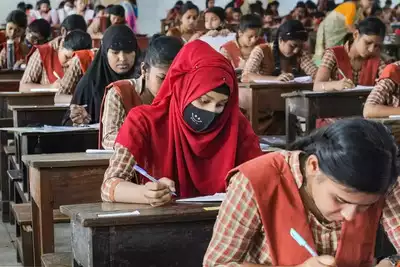
Kerala HC Declines Interim Stay on Headscarf Order The headscarf controversy in Kerala has emerged as a significant socio-legal issue, intersecting the realms of religion, education, and constitutional rights. The debate began to gain momentum in 2020 when several female students sought to wear the hijab, a traditional headscarf, to their educational institutions. This led to a series of legal challenges, as some schools and colleges in the state enforced dress codes that conflicted with the students’ religious practices. The case garnered public attention, reflecting broader national conversations on the intersection of faith and education in India.
In earlier rulings, the Kerala High Court addressed the complexities surrounding the issue, including the constitutional rights of individuals to practice their religion freely. The court emphasized the need for schools to maintain an environment of secularism while also respecting the rights of students to express their religious identity. However, the ongoing legal proceedings have raised numerous questions regarding what constitutes acceptable expression of faith within educational settings. This tension between secularism and religious observance highlights the challenges faced by educational institutions in accommodating diverse beliefs.
Moreover, the controversy touches upon broader societal implications, raising questions about women’s rights and autonomy within religious contexts. Advocates argue that the right to wear the hijab is not merely a personal choice but also a critical expression of identity for many Muslim women. As the High Court continues to deliberate on the matter, the responses from various stakeholders, including religious leaders, educators, and students, underscore the significance of the headscarf issue within the framework of multiculturalism and pluralism in Indian society.
Summary of the Kerala High Court’s Recent Ruling
Kerala HC Declines Interim Stay on Headscarf Order Recently, the Kerala High Court made a significant ruling concerning the headscarf order, a topic of much debate and concern within educational institutions. The court decided to decline an interim stay on the contentious order that has implications for students wishing to don the headscarf during academic pursuits. This decision serves as a precursor to a more comprehensive analysis of the case, as the court awaits clarifications from the state on the matter.
In its reasoning, the Kerala High Court articulated that an interim stay would not be appropriate at this juncture, emphasizing the necessity for a thorough examination of the legal frameworks governing the issue. The judges pointed out that the matter invokes both constitutional rights and considerations surrounding educational policies. Their reasoning underscores the balance that must be struck between individual rights and institutional regulations, particularly in a diverse society such as India.
This ruling has widespread implications for students, especially those who identify with the Muslim faith and wish to express their cultural identity through the headscarf. The High Court’s decision signifies an intention to protect students’ rights while also addressing the state’s educational mandates. It has triggered discussions about the importance of upholding students’ freedoms in an academic environment without compromising the institution’s values and regulations.
Key statements from the judges include a reiterated commitment to ensuring that any final judgment takes into account the fundamental rights of students along with administrative prerogatives. Legal experts have expressed varied opinions on the ruling, highlighting the complexities of balancing personal beliefs with institutional norms. As the Kerala High Court continues to evaluate the case, the broader implications for religious expression in educational contexts remain a central focus of this legal discourse.
Awaiting the State’s Clarification: What’s Next?
The recent ruling by the Kerala High Court regarding the headscarf order has generated significant discourse around the role of educational institutions and religious expression. As the court has declined to grant an interim stay on this ruling, the state government is now tasked with providing a comprehensive clarification. This clarification is crucial as it sets the tone for how educational institutions will implement the headscarf order going forward.
In the coming days, the state is expected to outline the scope of the ruling, particularly how it aligns with the rights to religious freedom as envisioned in the Indian Constitution. The legal framework surrounding this issue will play a critical role in shaping potential outcomes. For example, if the state clarifies that educational institutions must allow religious attire, it may lead to an influx of cases challenging institutional policies. Conversely, should the state uphold the court’s directive, it could lead to widespread dissent among students and advocacy groups advocating for religious rights.
The implications for Kerala’s educational system are substantial. With the headscarf’s significance deeply rooted in cultural and religious practices, any firm decision can provoke varied responses from different stakeholders. Community leaders and advocacy groups are closely monitoring developments, ready to voice their opinions and possibly mobilize public sentiment. This situation highlights the delicate balance between upholding academic integrity and respecting individual rights within the state’s educational environment.
Ultimately, the next steps hinge on the state’s response to the High Court’s ruling. By clarifying its position, the government could either foster dialogue among various communities or incite further legal confrontations. All eyes will be on officials as they navigate this complex issue, emphasizing the importance of a judicious approach in addressing the concerns of all parties involved.
Broader Implications of the Ruling on Religious Freedom
The recent ruling by the Kerala High Court concerning the headscarf not only affects the specific case at hand but also has broader implications for religious freedom in India. At the core of this decision is the intricate balance between the right to religious expression and the mandates of secularism in educational institutions. The Court’s choice to decline an interim stay on the headscarf order signals a nuanced approach to these competing interests, which may lead to reflections and examinations across various states confronting similar issues.
Kerala HC Declines Interim Stay on Headscarf Order In regions with diverse populations, such as Uttar Pradesh and Karnataka, previous rulings pertaining to religious attire in schools have attracted significant public scrutiny and varying interpretations. For instance, the disputes over the wearing of the hijab in educational settings have sparked debates about the visibility of religious symbols and their place, or lack thereof, within secular institutions. By drawing comparisons between these situations, one can observe a patchwork of judicial responses. These responses often reflect the sociopolitical climate and the pervasive attitudes toward religion and education in each state.
The ruling also prompts a deeper dialogue on the principle of secularism embedded in the Indian Constitution. Civil society, through grassroots movements and public opinion, plays a pivotal role in shaping this conversation. The reactions from different community segments, whether in support or opposition to the headscarf, will inevitably impact future legal and political outcomes. As citizens advocate for their rights to religious expression, the resultant discourse will likely influence policymakers and judicial interpretations. Consequently, this ruling may serve as a precedent, engendering an environment where discussions surrounding the intersection of religion and education take center stage in Indian society.