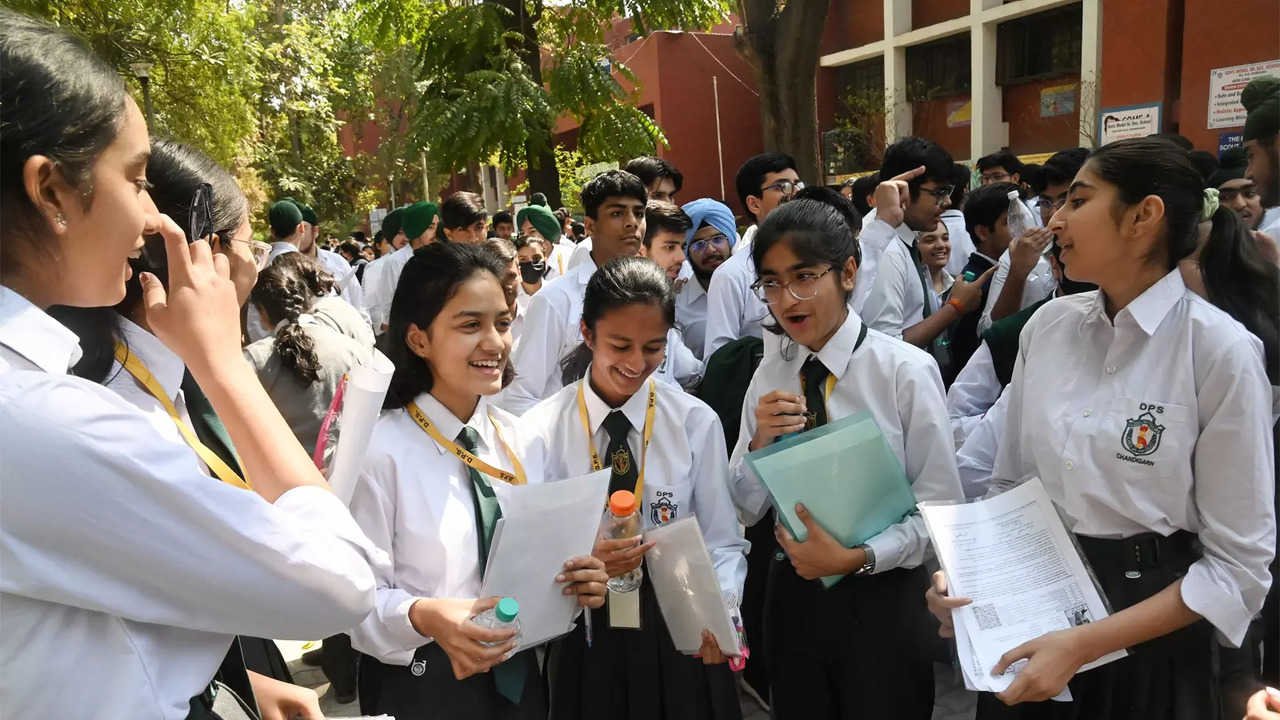
Expansion of CBSE Schools in Australia The Central Board of Secondary Education (CBSE) is a prominent educational board in India, established under the Ministry of Human Resource Development to streamline the education system across the country. Founded in 1962, CBSE has grown significantly, now governing thousands of schools in India and internationally. Its curriculum is framed to provide holistic education, integrating academic rigor with extra-curricular activities. Through a comprehensive curriculum and standardized examination system, CBSE aims to equip students with essential skills and knowledge, ensuring that they thrive in an increasingly competitive global environment.
CBSE schools emphasize core values such as integrity, inclusivity, and innovation, fostering an environment conducive to learning and personal growth. The curriculum adheres to national educational policies while also being flexible enough to accommodate the diverse needs of students. It covers a spectrum of subjects ranging from Sciences and Humanities to Vocational Studies, allowing students to explore their interests and build upon their strengths. Notably, the CBSE has developed a skill-based curriculum that aims to bridge the gap between theoretical knowledge and practical application, preparing students for real-world challenges.
Expansion of CBSE Schools in Australia Globally, CBSE schools are recognized for their quality education and are trusted by Indian expatriates and international students alike. In countries like Australia, the establishment of CBSE schools has created a strong educational framework that caters not only to the Indian diaspora but also engages local communities. The presence of CBSE schools in Australia reinforces cultural ties and provides a familiar educational structure for Indian families settled abroad. These institutions play a vital role in promoting cross-cultural awareness while upholding the high educational standards set by the CBSE. As the Indian community continues to grow in Australia, the expansion of CBSE schools represents a significant initiative by the Union Education Ministry aimed at ensuring comprehensive educational opportunities for all students.
Union Education Ministry’s Initiative
Expansion of CBSE Schools in Australia The recent announcement by the Union Education Ministry regarding the establishment of additional Central Board of Secondary Education (CBSE) schools in Australia marks a significant stride towards enhancing the accessibility of quality education for Indian expatriate communities. This initiative aims not only to cater to the educational needs of Indian students residing abroad but also to strengthen cultural ties and maintain a connection to Indian educational standards.
The primary motivation behind the establishment of new CBSE schools is to provide a curriculum that resonates with the Indian educational framework, which has gained substantial recognition globally. As the number of Indian families residing in Australia continues to rise, the demand for institutions that offer a CBSE curriculum has increased correspondingly. The government recognizes the importance of offering Indian expatriates an avenue for their children to receive an education that mirrors their home country’s academic structure, thereby ensuring continuity in their learning path.
Potential locations for these new CBSE schools include major cities across Australia such as Sydney, Melbourne, and Brisbane, where large Indian communities are present. The Union Education Ministry plans to engage with local stakeholders to identify the most suitable locations that can accommodate the schools and meet the needs of local communities. The projected timeline for the establishment of these schools has not been explicitly defined, but initial phases are expected to commence in the near future.
Expansion of CBSE Schools in Australia This initiative aligns seamlessly with the government’s broader strategy to promote Indian education abroad, fostering an environment where children of Indian expatriates can thrive academically while still maintaining their cultural identity. By facilitating access to high-quality education that adheres to the CBSE standards, the Ministry hopes to alleviate educational disparities and help integrate Indian families into the Australian educational landscape.
Benefits of CBSE Schools in Australia
Expansion of CBSE Schools in Australia The introduction of CBSE (Central Board of Secondary Education) schools in Australia presents numerous advantages, particularly in enriching the educational framework within the country. One of the most notable benefits of CBSE schools is their emphasis on holistic development. This educational approach focuses on the overall growth of students, fostering not just academic skills but also emotional, social, and moral competencies. This well-rounded methodology prepares students to excel in various aspects of life, ensuring they become responsible and contributing members of society.
Furthermore, the CBSE curriculum is designed to facilitate comprehensive skill acquisition. This system empowers students with critical thinking, analytical abilities, and problem-solving skills, which are essential in today’s competitive environment. By adopting this educational framework, Australian schools stand to benefit from these holistic educational practices, thereby enhancing their own offerings and preparing students for future challenges. Given the increasingly interconnected world, equipping students with versatile skills is more crucial than ever.
The establishment of CBSE schools in Australia also plays a significant role in catering to the needs of Indian communities living abroad. These institutions offer a familiar educational context, thus aiding in the preservation of Indian culture and values among the diaspora. Such schools provide a sense of community and belonging where students not only receive quality education but also have the opportunity to engage in cultural exchange through various activities and festivities.
Additionally, the presence of CBSE schools can pave the way for fruitful partnerships with Australian educational institutions. Such collaborations can lead to a rich exchange of ideas, resources, and teaching methodologies, ultimately benefitting students from all backgrounds. This integration can help bridge cultural divides and create a more inclusive educational environment, thereby enriching Australia’s multicultural landscape.
Future Prospects and Community Reactions
Expansion of CBSE Schools in Australia The expansion of CBSE schools in Australia represents a significant development in the educational landscape, fostering diverse opportunities for students and integrating Indian educational standards into the Australian system. Looking ahead, one of the foremost prospects lies in addressing regulatory frameworks that govern foreign educational institutions operating in Australia. These schools will need to navigate local accreditation processes and comply with Australian educational standards, presenting a challenge but also an opportunity for enhancement. Successful adaptation to these regulations is crucial for the sustainability of CBSE schools in the region.
Enrollment demand is another critical aspect that will shape the future of CBSE schools in Australia. With a growing Indian diaspora and increasing interest from Australian families in culturally diverse educational curricula, there is potential for significant enrollment growth. However, fluctuations in demographic trends could pose a challenge in maintaining steady enrollment figures, requiring the schools to continually assess and adapt to the evolving needs of the communities they serve.
Expansion of CBSE Schools in Australia Community responses to the establishment of CBSE schools vary widely. Members of the Indian diaspora often express optimism regarding the potential for maintaining cultural links through education. Parents see value in providing their children with an education grounded in Indian traditions and values while still benefiting from the quality of Australian schooling. Conversely, some local residents may exhibit apprehension regarding the integration of a foreign educational system and its implications for multicultural dynamics. Balancing these perspectives necessitates open communication and engagement between school administrations and local communities.
Expansion of CBSE Schools in Australia Collaboration between the Union Education Ministry and local authorities will be central to the success of CBSE schools in Australia. Joint efforts to promote understanding and address concerns will pave the way for harmonious integration, ultimately enriching the Australian educational landscape and fostering a spirit of multiculturalism. In conclusion, addressing regulatory challenges and community expectations will be vital as these new institutions endeavor to create a positive impact on both Indian and Australian societies.