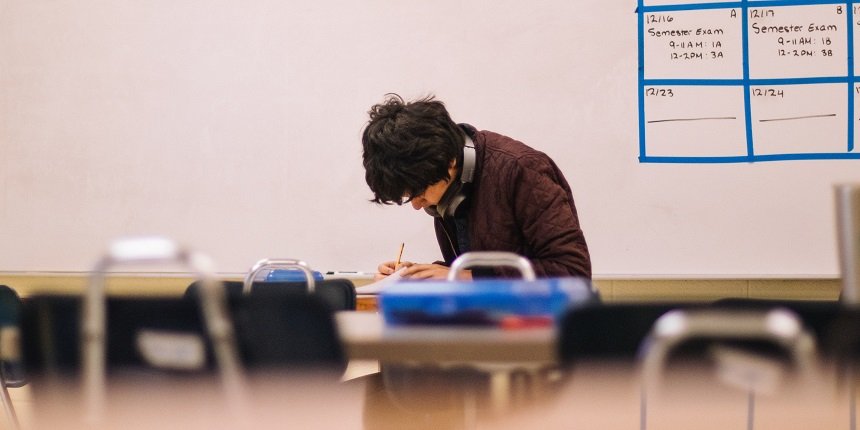
Board Exams On October 20, 2023, the Central Board of Secondary Education (CBSE) made an official announcement regarding the postponement of the Class 12 board examinations scheduled to be held in various Middle Eastern countries. The decision comes as a direct response to escalated tensions in the region, particularly involving Iran, Israel, and the United States, which have raised significant safety concerns for students and examination officials alike.
The conflict has escalated in recent weeks, leading to an environment of uncertainty and insecurity. Recognizing the potential risks posed to the health and safety of students amidst these geopolitical events, CBSE prioritized the well-being of its candidates over the rigidity of its examination schedules. CBSE has stated that examining students’ national identity and welfare is of paramount importance, especially in conflict situations.
As a result of the current circumstances, Class 12 exams originally slated for early November 2023 will be rescheduled to take place in the latter half of January 2024. The precise dates will be communicated shortly to all relevant stakeholders. In past instances, CBSE has exhibited a similar approach in adjusting examination dates during crises, such as the postponement of examinations during health emergencies or calls for national security preemptive measures. The board aims to ensure that examinations occur in an environment that is both safe and conducive to academic performance, thereby supporting students in achieving their educational aspirations.
This proactive decision underscores CBSE’s commitment to safeguarding its students while accommodating the complexities presented by current geopolitical dynamics. As these situations evolve, further updates will be provided to ensure transparency and preparedness for the affected students and academic institutions.
Impact on Students and Parents
Board Exams The decision by CBSE to postpone Class 12 board exams in the Middle East has significantly impacted students who were in the final stages of their preparation. With the uncertainty surrounding the exams, students are experiencing heightened emotional and academic stress. Many have dedicated months to studying, attending classes, and preparing under the pressure of impending exams. Suddenly altering this schedule has not only disrupted their routines but also affected their morale.
For students, the core of the anxiety lies in the ambiguity that surrounds the new timeline for their examinations. The lack of clarity can make it difficult for them to maintain focus and motivation during this period. Some students expressed feelings of frustration and disappointment, as they feel unprepared for the uncertainty. One student mentioned, “All my plans and preparations have been put on hold. It’s hard not to feel overwhelmed with what lies ahead.” The psychological implications of this shift cannot be overlooked, as many students might grapple with increased stress levels, affecting their overall well-being.
Parents are also affected by this decision, expressing concerns about their children’s academic progression and emotional welfare. They are seeking to provide support and reassurance amid the turmoil, highlighting the necessity of maintaining open lines of communication. A parent of a student commented, “I worry about my child’s mental health. It’s important to keep them engaged, but we also need to address their concerns about safety and the future.” This reflects a common sentiment among parents who juggle their own anxieties about the geopolitical situation while trying to support their children. Anecdotes of support systems forming among families indicate a community effort to navigate this trying time together.
Educational Institutions’ Response
Board Exams The decision by the Central Board of Secondary Education (CBSE) to postpone Class 12 board exams in the Middle East has prompted various responses from educational institutions across the region. Schools are taking proactive measures to ensure that students remain engaged with their studies during this uncertain period. Understanding the significance of board exams in shaping students’ academic futures, institutions are implementing a range of strategies aimed at mitigating the impact of the postponement.
Firstly, many schools are adjusting their teaching schedules to accommodate the revised timelines. Teachers are reorganizing their lesson plans to reinforce core concepts while providing ample review sessions for critical subjects. This not only aids in retaining knowledge but also helps in reducing any potential anxiety triggered by the unforeseen delay. By maintaining a structured approach to learning, schools aim to uphold academic continuity and keep students focused.
Moreover, alternative assessments are being considered by some institutions to evaluate student progress. These assessments may include online quizzes, project-based evaluations, or modular exams that cover specific topics. This approach not only allows educators to gauge students’ grasp of subjects effectively but also serves as a practice ground for the eventual board exams.
Communication strategies have also become a focal point for schools in the Middle East. Regular updates through newsletters, virtual meetings, and social media channels are being utilized to keep both parents and students well-informed about any changes regarding examinations. These communication efforts help alleviate concerns and foster a collaborative environment, ensuring all stakeholders are aligned during this time of uncertainty.
Future Implications
Board Exams The recent postponement of the Class 12 board exams by the Central Board of Secondary Education (CBSE) in the Middle East underscores the intricate relationship between regional political dynamics and the educational framework in the area. As tensions among Iran, Israel, and the United States escalate, there are significant implications for the future of education in the Middle East. Experts believe that ongoing geopolitical conflicts could lead to greater uncertainty in academic schedules, potentially resulting in more frequent postponements or alterations in examination dates.
Additionally, the long-term educational landscape may be affected by these persistent tensions. Institutions may face challenges in ensuring the safety of students and staff, consequently influencing policies surrounding exam arrangements and academic planning. Developing adequate measures to support students during crises will be critical. For instance, schools may need to adopt flexible curricula that allow for remote learning, ensuring that disruptions do not hinder students’ educational progress.
International relations are likely to play a pivotal role in shaping educational policies within the region. The effectiveness of diplomatic efforts can directly impact funding, resources, and support systems available to educational institutions. As political stability often correlates with economic investment, any deterioration might see a decline in international partnerships that could provide crucial support for educational reforms in times of crisis.
Moreover, the involvement of international organizations can be vital in fostering a safe learning environment. As schools navigate these challenges, the capacity to adapt to shifting international dynamics will be indispensable. Ultimately, the interconnectedness of education and politics in the Middle East suggests that sustained engagement and strategic planning will be essential in safeguarding the future of education amid ongoing uncertainties.