

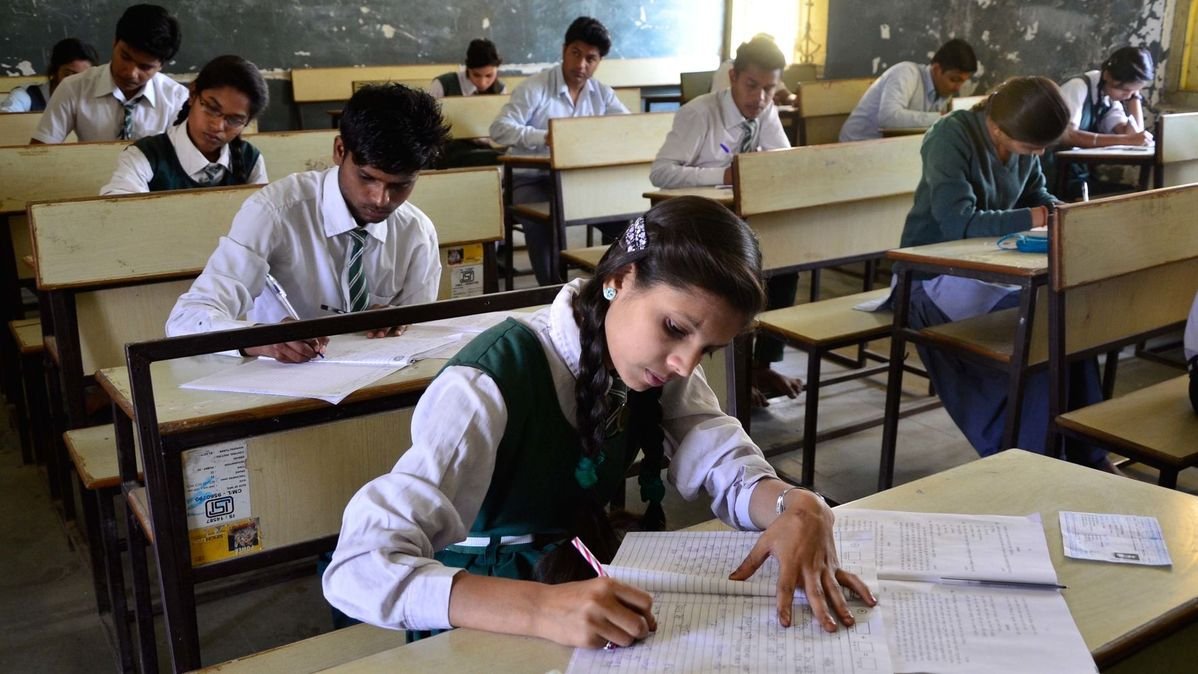
CBSE class 10 maths CBSE Class 10 Maths exam for 2026 holds significant relevance in shaping the academic careers of students. For many, this exam serves as a critical juncture in their educational journey, determining their readiness for higher secondary education and beyond. Mathematics, being a foundational subject, equips students with essential analytical and problem-solving skills. The 2026 exam is expected to present students with a diverse array of mathematical concepts, from algebra and geometry to statistics and probability.
Students approaching the CBSE Class 10 Maths exam may have had varied expectations, influenced by their previous experiences and preparation efforts. The Central Board of Secondary Education (CBSE) has been known to introduce changes in the examination format and syllabus over the years, and 2026 is no different. This year, students have been advised to anticipate a paper that is potentially lengthier and more complex than in previous years, hinting at a trend towards a comprehensive assessment of their mathematical understanding and application.
The importance of mathematics in the academic curriculum cannot be overstated. It not only aids students in academic pursuits but also fosters critical thinking, logical reasoning, and quantitative skills applicable in real-world scenarios. As students prepare for the CBSE Class 10 Maths exam, they must focus on mastering the key concepts and honing their problem-solving abilities to navigate the challenges the exam may present. Additionally, the exam serves to prepare students for various competitive examinations and future academic endeavors, making it essential for them to approach it with diligence and a sound strategy.
Students’ Reactions to the Exam Difficulty and Length
CBSE class 10 maths The 2026 CBSE Class 10 Maths exam has stirred a mix of emotions among students, with many expressing their struggles regarding the paper’s length and complexity. Numerous students took to social media and student forums to voice their experiences, highlighting the overwhelming nature of the exam. A common sentiment shared among them was that the paper was far longer than anticipated, which contributed to heightened levels of anxiety as they raced against the clock.
Many students remarked that the questions were not only lengthy but also required a deeper understanding of concepts that they felt had not been sufficiently covered in their preparations. One student noted that the application-based questions left them perplexed, as they demanded extensive calculations coupled with theoretical backgrounds that needed to be applied. This is particularly concerning, as students seek to master fundamental mathematical principles, yet the exam structure seemed to prioritize complex problem-solving over straightforward questions.
Specific sections of the paper also drew criticism, most notably the geometry and statistics topics, which students found to be particularly challenging. One student mentioned that the geometry questions required intricate diagrams which complicated the answering process. Another expressed frustration regarding the statistics section, stating that the questions felt uncharacteristically convoluted compared to previous years’ papers.
Feedback from various cohorts indicated that while some students were well-prepared for the exam format, the unexpected level of difficulty left them feeling inadequately equipped. This sentiment echoed the concerns of many peers who felt that a common understanding existed regarding the expected difficulty level, which was evidently surpassed in this year’s examination. Such reactions raise questions regarding the alignment of teaching materials with exam structures, as students continue to navigate their academic journey through the intricacies of the CBSE system.
The announcement of a second board exam for CBSE Class 10 students has significant implications, particularly for those who may not have performed well in their initial attempt. This initiative serves as a safety net, offering students an additional opportunity to demonstrate their understanding of the subjects and improve their grades. For many students, the first board exam can be overwhelming due to its length and complexity. The option of reappearing for the exam alleviates some of the pressure, allowing them to approach their studies with renewed focus and determination.
Students eligible for the second board exam will need to remain aware of key details regarding registration and preparation. It is important for them to check the official CBSE guidelines, as the notification for enrollment will be published soon after the results of the first exam are declared. Typically, the registration process will involve filling out a form and paying a fee, which allows students to reserve their spot for the upcoming exam. This information will be critical for students to ensure a smooth transition from their first attempt to their second chance.
Moreover, preparation strategies for the second exam may differ based on the individual experiences of students in the first attempt. It will be vital for them to evaluate their previous performance, identify areas that need improvement, and construct a targeted study plan. Engaging with teachers for guidance, utilizing supplemental learning resources, or forming study groups can significantly enhance their chances of success. The second board exam not only serves as a means to rectify previous shortcomings but also empowers students to adopt a proactive approach to their academic careers.
Advice and Strategies for Future Students
CBSE class 10 maths Preparing for the CBSE Class 10 Maths Exam requires a strategic approach, especially given its reputation for being lengthy and challenging. Future students should prioritize creating a comprehensive study schedule that allocates time for each topic in the syllabus. This allows for thorough understanding rather than last-minute cramming, which is often counterproductive.
One effective study strategy is to break down the syllabus into manageable sections and focus on mastering one section at a time. Utilizing resources such as previous years’ question papers and sample papers can provide insights into the exam pattern and help students familiarize themselves with the type and format of questions they might encounter. Practicing these papers within a timed setting will also aid in building comfort with time management during the actual exam.
Time management is crucial when tackling lengthy maths papers. Students should practice allocating a fixed amount of time per question. For instance, if a paper consists of 20 questions and is to be completed in 3 hours, students should aim to spend around 9 minutes per question. This practice helps in ensuring that they do not get bogged down by particularly challenging questions and can instead focus on answering as many questions as possible.
Moreover, developing the ability to identify and approach questions strategically can significantly lessen anxiety. Start with questions that seem easier to build confidence and momentum. It’s also helpful to review the syllabus to ensure all topics are covered, and students should not hesitate to seek help from teachers or peers if they encounter difficult concepts. Forming study groups can provide mutual support and alternative explanations on challenging topics.
In summary, with a structured study plan, sound time management, and strategic approaches to solving problems, students can enhance their preparedness for the maths exam and mitigate anxiety, paving the way for success in their academic journey.


