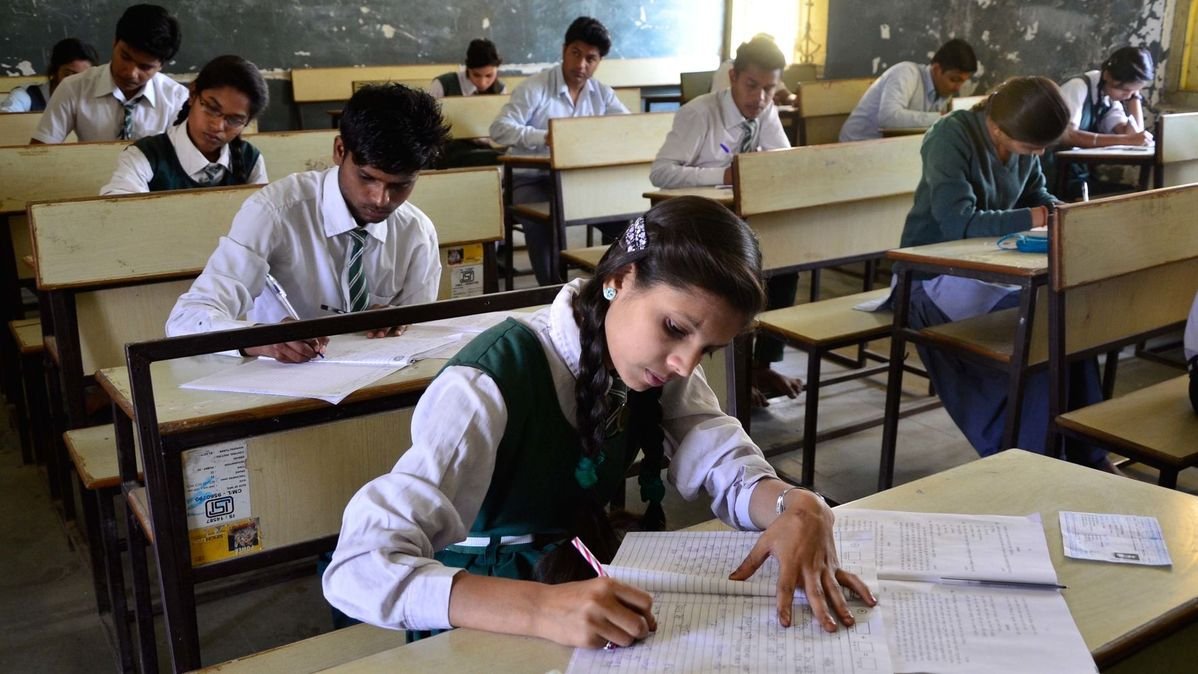
CBSE Class 10 French The CBSE Class 10 French curriculum plays a vital role in shaping students’ language skills, contributing significantly to their overall academic performance. As a second language option, French not only aids in enhancing linguistic proficiency but also provides insight into diverse cultural contexts, enriching students’ global perspectives. By studying French, learners gain access to a broad range of literary works, films, and other media that facilitate deeper understanding and appreciation of the francophone world.
The examination structure of CBSE Class 10 French is designed to evaluate students’ abilities in various language skills, including reading, writing, speaking, and listening. It consists of several components that assess understanding of vocabulary, grammatical competence, and the ability to articulate thoughts clearly in written and spoken form. Additionally, the exam format is organized to reflect the learning objectives set by the CBSE Board, aiming for a well-rounded assessment of students’ proficiency in the language.
Moreover, the CBSE framework encourages interactive learning methodologies, which stand out through the inclusion of oral assessments and project-based activities. These elements not only enhance students’ engagement but also ensure that they can apply their knowledge in practical situations. By aligning the assessment strategies with modern pedagogical approaches, the CBSE Class 10 French examination reflects an emphasis on holistic education, preparing students for further academic pursuits and future career prospects.
Exam Format and Structure
The CBSE Class 10 French question paper is designed to comprehensively evaluate students’ proficiency in the language while ensuring a balanced distribution of marks across various components. Typically, the exam is structured to include multiple sections, each aimed at assessing different skills necessary for achieving fluency in French.
The question paper generally comprises the following sections: comprehension, grammar, literature, and translation. The comprehension section is focused on reading skills and usually contains a passage followed by a set of questions. This section, which tests understanding and interpretation, carries significant weightage, making it crucial for students to hone their reading skills.
CBSE Class 10 French The grammar section assesses students’ grasp of language mechanics, including verb forms, tense usage, and sentence construction. Questions in this part can vary from fill-in-the-blanks to error correction, necessitating a strong foundational knowledge of grammatical rules. Literature often includes questions based on prescribed texts, requiring students to analyze themes, characters, and literary devices, thereby encouraging a deeper understanding of Francophone literature.
Translation serves as the bridge between comprehension and expression, where students are asked to translate sentences or passages from French to English or vice versa. It is essential for students to practice translation skills, as this section tests not only vocabulary but also the ability to convey meaning accurately.
The overall marks distribution in the question paper follows a well-balanced approach, allowing students ample opportunity to score points across all sections. Understanding this format will assist students in strategizing their study approach, allocating sufficient time to each area, and ultimately enhancing their performance on the exam.
Difficulty Level Assessment
The CBSE Class 10 French question paper has been carefully designed to assess students’ proficiency in the language, balancing various levels of difficulty to cater to a wide range of learners. Analyzing the structure of the paper, educators have observed a mix of easy, moderate, and difficult questions that cumulatively contribute to a fair evaluation of students’ understanding and skills.
In recent years, feedback from students suggests a growing sense of confidence when approaching the French question paper. Many students have reported that a significant portion of the questions fall into the easy category, allowing them to leverage their foundational knowledge effectively. Typically, these questions assess basic vocabulary, grammar, and comprehension skills, which are integral parts of the language learning process.
Moderate questions often require a deeper understanding of the subject, and students usually find them manageable, provided they have engaged with the syllabus comprehensively. These include sentence formation, translation tasks, and short answer questions that gauge students’ reasoning and contextual usage of the language. Moreover, the inclusion of these questions tends to foster critical thinking and application skills among learners.
On the other hand, the examination does present some challenging questions intended to stretch students’ linguistic abilities. These are few but aimed at discerning the depth of understanding a student has achieved by the end of the curriculum. Furthermore, educators suggest that these difficult questions encourage students to think analytically and demonstrate their competency under pressure.
Overall, the CBSE Class 10 French question paper is characterized by a well-balanced distribution of difficulties, making it an accessible yet rigorous assessment. This thoughtful application of question types reassures students and educators alike about the equitable nature of the exam, contrary to the common misconception that language assessments tend to be disproportionately challenging.
Tips for Effective Preparation
Preparing for the CBSE Class 10 French exam requires a strategic approach that encompasses study techniques, effective time management, and the use of appropriate resources. To commence your preparation, it is essential to create a comprehensive study plan. This plan should outline daily and weekly goals, ensuring that all syllabus topics are covered in adequate depth. Incorporating a balanced mix of theoretical and practical learning is crucial, as language proficiency is built through both knowledge and practice.
CBSE Class 10 French One productive study technique is the use of flashcards for vocabulary building. These tools can help reinforce language concepts and facilitate quick recall during examinations. Additionally, practicing past question papers can provide insights into the types of questions typically asked. This practice not only enhances familiarity with the exam format but also assists in managing time effectively during the real test.
Time management is another vital component in exam preparation. Allocating specific time slots for each subject, including French, will foster a disciplined study routine. It is advisable to break studying into focused sessions followed by short breaks to maintain concentration and retention. Prioritizing challenging topics earlier can help in addressing difficulties well before the exam date.
CBSE Class 10 French Furthermore, utilizing additional resources such as French language apps, online courses, and video tutorials can enrich your understanding and make learning more engaging. These resources often cater to different learning styles, thereby enhancing overall grasp of the language. Joining study groups can also benefit students, as discussing ideas and practicing speaking can solidify comprehension.
By implementing these strategies, students can enhance their confidence and improve their performance in the French examination, navigating towards success in a well-balanced assessment setting.