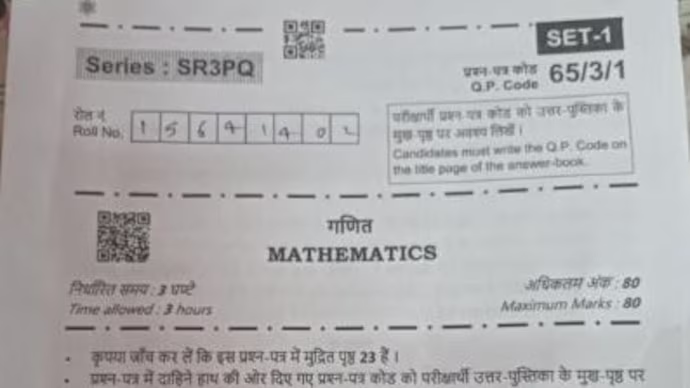
Viral ‘Rickroll’ Recently, an unexpected incident occurred during the CBSE Class 12 Mathematics examination, capturing the attention of students and the public alike. A QR code, which was embedded in the examination paper, unexpectedly redirected students to the iconic music video of Rick Astley’s “Never Gonna Give You Up.” This humorous occurrence, often referred to as being ‘Rickrolled’, sparked widespread laughter and surprise among candidates as well as on social media platforms. The incident quickly became a viral phenomenon, with many students sharing their bewilderment and amusement online.
The viral nature of this incident highlights the prevalence of memes in contemporary culture, transforming an otherwise serious academic event into a shared moment of lightheartedness. In a time when educational pressures can be overwhelming, this unexpected twist allowed for a brief respite from the rigors of examination. Students documented their reactions, and it didn’t take long for images and videos of their responses to flood the internet, enhancing the phenomenon’s reach.
Moreover, the public response to the incident encompassed a mixture of humor and concern. While many appreciated the jovial diversion from traditional exam pressures, questions were raised regarding the security measures implemented during examinations. Some feared that such a lapse could indicate larger systemic issues within the examination framework. However, CBSE officials quickly addressed these concerns, affirming their commitment to maintaining stringent security protocols. The incident thus served not only as a delightful distraction but also as a catalyst for discussions regarding examination integrity and the continuous evolution of assessment practices.
CBSE’s Official Response
The Central Board of Secondary Education (CBSE) has issued a detailed statement in light of the recent viral incident involving a QR code in the Class 12 Maths examination. The board clarified that this incident, widely discussed across various media platforms, was an isolated case and did not compromise the integrity or security of the exam process. In their response, CBSE emphasized their commitment to maintaining strict examination protocols and highlighted that there have been robust security measures in place during the assessments.
CBSE has reassured students, parents, and educational stakeholders that all examinations adhere to stringent security standards designed to prevent any form of malpractice. The board conducted an immediate investigation into the QR code matter and found no evidence of unauthorized access or data breaches that could impact the examination’s reliability.
Furthermore, the board is taking proactive steps to bolster security measures for future examinations. This includes the utilization of further technological advancements and refining existing protocols to mitigate potential risks. CBSE is also reviewing its current guidelines and may implement additional training for exam invigilators to enhance vigilance during tests.
In addition to reinforcing security, the board plans to initiate awareness campaigns about examination integrity among students and educational institutions. The aim is to foster a culture of honesty and discourage participation in disruptive behaviors that question the credibility of academic assessments. As a concluding statement, CBSE stands firm in its resolve to ensure that all students have a fair, secure, and transparent examination experience, reinforcing the board’s commitment to educational excellence.
Implications for Students and Exam Security
Viral ‘Rickroll’ The recent incident involving a viral “Rickroll” QR code in the Class 12 Maths paper raises several implications for students and the integrity of exam security. During crucial exam periods, students often experience heightened stress levels, making it essential for them to maintain focus. The introduction of a distraction—such as a misleading QR code—could have the potential to disrupt their concentration and affect their performance. It is essential for educational authorities to recognize the psychological burden that such distractions may impose on students, particularly in high-stakes settings.
Moreover, incidents like these call into question the robustness of exam security measures in place. The examination system relies significantly on the ability to provide a fair and controlled environment, where each student is assessed according to their knowledge. The presence of unauthorized materials or distractions undermines trust in the system, potentially leading students to question the legitimacy of their assessment outcomes. Such skepticism can diminish the perceived value of the qualifications obtained through these examinations.
To mitigate the risk of similar occurrences in the future, educational institutions must consider implementing stricter security protocols. This could involve leveraging technology to enhance monitoring during exams or conducting thorough checks to prevent unwanted materials from entering examination venues. Furthermore, raising awareness about the importance of academic integrity among students can foster a culture of responsibility. Educational authorities must actively engage with students and inform them about the repercussions of such distractions, both for individuals and the exam system as a whole.
Community Reactions and Cultural Impact
Viral ‘Rickroll’ The incident surrounding the viral ‘Rickroll’ QR code embedded within the CBSE Class 12 Maths paper garnered a range of reactions from students, educators, and the broader public. Many students expressed amusement and disbelief upon discovering that, rather than answering a question, scanning the QR code led them to a clip of Rick Astley’s iconic song, “Never Gonna Give You Up.” This unexpected turn of events provided a brief diversion from the usual stress associated with examinations, allowing many to share a laugh amidst the academic pressure.
Educators, too, chimed in on the evolving cultural landscape of memes within educational environments. While the incident might have raised concerns regarding exam security, it also highlighted the versatility of humor in the learning context. Memes such as these reflect a cultural phenomenon where humor becomes a vehicle for resilience, particularly among students navigating the rigors of their academic journeys.
This particular instance of memetic culture not only provided entertainment but also served as a reminder of the lighter side of examination experiences. The overwhelming negative feelings often linked with exams can be alleviated through such moments of levity. As students shared their experiences on social media, it underscored the significance of community and shared experiences in education. This humorous take resonated widely, sparking conversations about the role of such machines in shaping student morale.
Furthermore, memes in academic contexts can foster a sense of belonging and solidarity among students, creating an avenue through which they can express their relief in a challenging environment. Overall, the cultural significance of the ‘Rickroll’ incident has opened discussions about humor’s ability to influence student engagement positively, shifting the narrative from anxiety to amusement during pivotal moments such as exams.