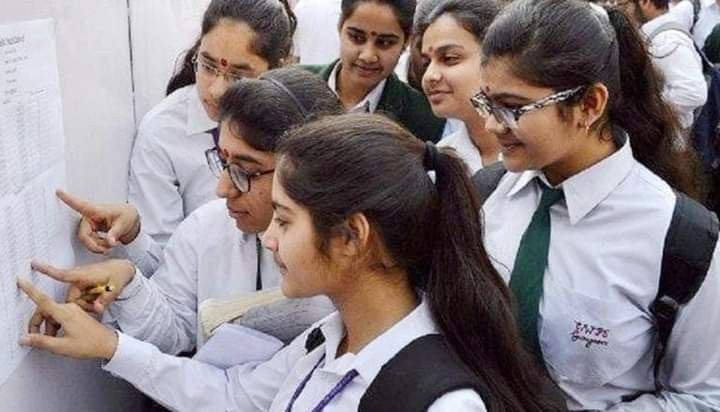
CBSE Board Exams 2026 The Science paper for the CBSE Board exams in 2026 serves as a pivotal evaluation for students, underpinning their grasp of fundamental scientific principles. The exam format has undergone certain modifications compared to previous years, reflecting CBSE’s commitment to evolving educational standards and assessment strategies. Students can expect a structured paper that evaluates understanding across various dimensions of the science curriculum.
The examination comprises a range of question types, such as multiple-choice questions, short answer questions, and long answer questions. This variety not only tests students’ factual knowledge but also their analytical skills and application of scientific concepts. The distribution of marks will be aligned with the different sections of the syllabus, covering essential topics like Physics, Chemistry, and Biology. Each of these subjects contributes significantly to students’ overall understanding, emphasizing the interdisciplinary nature of science.
Key topics outlined in the syllabus for the 2026 exams include fundamental concepts in physical sciences such as electricity, light, chemical reactions, and the principles of life science such as reproduction and ecology. In addition to these core subjects, the paper may also highlight contemporary issues and advancements in science, aiming to foster critical thinking in students. The importance of the Science subject within the CBSE curriculum cannot be overstated, as it not only forms the foundation for further education in science streams but also enhances students’ problem-solving abilities and encourages curiosity about the world around them.
Detailed Section-Wise Analysis
CBSE Board Exams 2026 The Science paper for Class 10 of the CBSE Board Exams 2026 was organized into three primary sections: Physics, Chemistry, and Biology. Each of these sections carried varying levels of weightage, and the types of questions posed reflected the curriculum implications outlined in the syllabus.
Starting with the Physics segment, students encountered questions that predominantly tested their understanding of fundamental concepts. The section emphasized application-based queries, requiring students to apply theoretical knowledge to practical scenarios. The weightage for Physics constituted approximately 30% of the total marks, which highlighted the importance of this branch in the overall Science syllabus.
In the Chemistry domain, students noted that the questions focused heavily on chemical equations, reaction mechanisms, and the periodic table. Notably, the integration of real-life applications through case studies was a significant highlight here. This section also mirrored the expected syllabus quite closely, comprising around 35% of the total marks. A few students expressed difficulty with questions that involved extensive calculations and reasoning, indicating a potential area for further clarification in teaching methodologies.
The Biology section presented an array of multiple-choice questions along with descriptive questions that tested both memorization and comprehension abilities. This segment accounted for approximately 35% of the paper. Insights from educators suggested that while factual recall was essential, questions that encouraged critical thinking were quite prevalent. This dual approach could either foster a deeper understanding or present challenges for those less prepared.
In conclusion, the section-wise breakdown indicates that CBSE has aligned the paper closely with the stipulated syllabus, while also challenging students with a blend of application and theoretical understanding across Physics, Chemistry, and Biology. Such insights could guide future study preparations and focus areas for subsequent exams.
Student Experiences and Feedback
The recent Class 10 Science Paper has garnered a wide range of feedback from students across various schools. Many students shared their experiences regarding the exam’s overall difficulty. A notable consensus appears to be that the paper was aligned closely with their expectations based on their preparation, striking a balance between concept checking and application-based questions. For instance, a student from Delhi stated, “I found most of the questions to be direct reflections of our previous year’s samples; I didn’t face any surprises, which helped calm my nerves.” This sentiment was echoed by several, suggesting that thorough revision using past papers was pivotal in building confidence.
Time management, a critical aspect for students, was another commonly discussed topic. Many reported that adhering to a structured plan during the exam allowed them to tackle all questions without feeling rushed. An eighth grader from Mumbai illustrated this by mentioning, “I allocated specific times for each section, which made it easier to stay on track. The key was to stick to my timer!” This approach appeared beneficial, as numerous students reported finishing before the bell, allowing time to review their answers.
However, not all experiences were free of challenges. Some students identified particular questions as being especially difficult. A student remarked, “The numerical problems were tricky and required precise calculations, which made me nervous.” Questions that required extensive reasoning also stirred mixed reactions; a Grade 10 student shared, “While I appreciated the need for analytical thinking, a couple of questions seemed too convoluted compared to what we practiced.” These perspectives shed light on the diverse experiences students had during the Class 10 Science exam, emphasizing the importance of both preparation and adaptability in facing unexpected challenges.
Conclusion and Preparation Tips for Future Students
CBSE Board Exams 2026 As we have reviewed the 2026 CBSE Class 10 Science paper, students can greatly benefit from reflecting on their preparation methods in light of the insights gained. Future students should prioritize understanding the syllabus thoroughly, as this foundational knowledge is vital for success in science examinations. Engaging with the prescribed textbooks, reference materials, and previous years’ question papers will enable students to grasp the core scientific principles while honing their analytical skills.
Effective time management during examinations is crucial. Students should practice solving sample papers under timed conditions to develop a sense of pacing, ensuring they allocate an appropriate amount of time to each section of the exam. This can help minimize stress and promote a balanced approach to answering questions. Additionally, breaking down study sessions into manageable chunks can aid retention and comprehension of complex scientific concepts.
Incorporating a variety of resources can also be advantageous. Online platforms that offer interactive simulations, tutorials, and quizzes can bring scientific concepts to life and extend learning beyond textbooks. Collaborating with peers for group studies can further enrich the learning experience, allowing for shared insights and diverse problem-solving approaches.
Experts recommend creating a personalized study plan that includes fewer distractions and regular assessments to monitor progress. Utilizing educational videos and webinars can supplement traditional learning methods and provide clarification on challenging topics. Moreover, practicing regular revision and self-testing can reinforce knowledge leading up to the examination.
Ultimately, thorough preparation, consistent practice, and effective time management will better equip future students for success in CBSE Science exams. By utilizing the strategies outlined, students can enhance their understanding, boost their confidence, and improve their performance in upcoming assessments.