



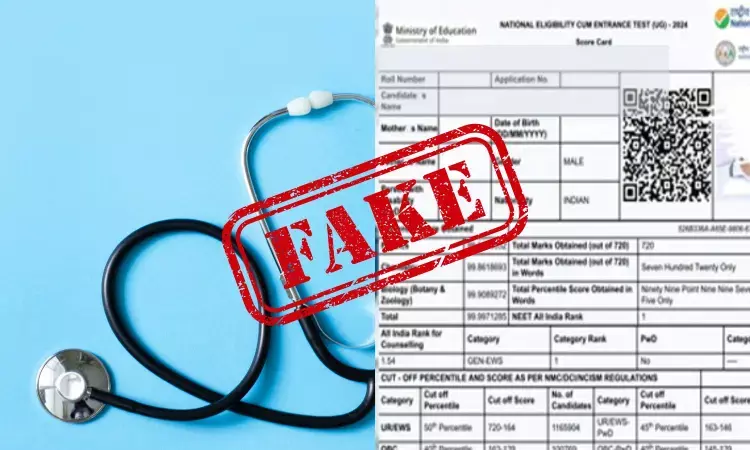
NEET UG 2025 Admissions : The National Eligibility cum Entrance Test Undergraduate (NEET UG) serves as a pivotal examination for aspiring medical students across India. As the sole entrance test for undergraduate medical programs, NEET UG provides a standardized opportunity for candidates to gain admission into various medical institutions, including government and private colleges. The 2025 admissions cycle is particularly significant, as it continues to be a gateway for students seeking to fulfill their ambition of becoming medical professionals, while also upholding essential academic standards.
In recent years, the integrity of the NEET UG process has become paramount, enhancing the credibility of the examination. The relevance of academic integrity in entrance examinations cannot be overstated, as it not only affects the educational institutions involved but also the future of the candidates themselves. With a growing number of aspirants each year, the stakes are high, and maintaining rigorous standards is crucial to ensure that the most qualified students gain access to medical education.
Recently, developments in Uttar Pradesh, where authorities have uncovered 64 fake certificates, have highlighted the ongoing challenges related to fraudulent practices within the admissions process. This revelation raises questions about the measures that can be implemented to safeguard the integrity of NEET UG 2025 admissions. The presence of counterfeit academic documents undermines the value of genuine student credentials, and the impact of such malpractices can have lasting effects on the trustworthiness of the entire medical admission framework.
Understanding these recent events is essential for stakeholders, including aspiring students, educational institutions, and policymakers. The increasing scrutiny of the NEET UG admissions process signifies a critical step towards ensuring that academic integrity remains intact, promoting a fairer, more transparent selection process for future medical practitioners.
Overview of the UP Probe and Discovery of Fake Certificates
The recent probe into Uttar Pradesh’s NEET UG 2025 admissions has revealed a troubling case of fraud involving 64 counterfeit certificates. This investigation was initiated by the state’s education department in response to anonymous tips regarding irregularities in the admissions process. Collaborating closely with law enforcement agencies, officials undertook a comprehensive analysis of the documentation submitted by numerous candidates. Their efforts were pivotal in unearthing a web of deceit that infiltrated various colleges across the state.
The primary focus of the investigation was to ascertain the authenticity of the medical college admission certificates presented by prospective students. Skimming through the papers, authorities discovered that a significant number of these documents bore marks of forgery. To facilitate the investigation, a dedicated task force was formed, comprising members from educational institutions and law enforcement, to systematically review applications and trace the origins of these fraudulent certificates.
This scandal has implications for numerous institutions, some of which are reputed medical colleges in Uttar Pradesh. As the investigation progressed, several students involved were identified and summoned for questioning. This proactive stance by the authorities aimed not only to deal with those who presented these fake certificates but also to prevent similar incidents in the future. Potential ramifications for students found guilty of utilizing these falsified documents could include expulsion and criminal charges.
Moreover, the investigation has revealed weaknesses in the admissions process that allowed these fraudulent practices to go undetected for an extended period. It highlights the urgent need for more stringent verification processes to be implemented in medical college admissions, ensuring that fraud does not compromise the integrity of such a critical academic milestone. Enhanced oversight mechanisms are crucial to protect the credibility of institutions and the aspirations of deserving candidates.
Impact on NEET UG 2025 Admissions
The revelation of 64 fake certificates linked to the NEET UG 2025 admissions process has raised significant concerns regarding the integrity of this essential examination system. The immediate impact is felt by the students who were found to be employing fraudulent means to gain entry into medical colleges. These individuals not only face legal ramifications but also risk receiving long-term repercussions, potentially hindering their chances for future educational opportunities. The scrutiny they face can render their aspirations of pursuing a medical career disrupted or entirely unattainable.
Moreover, the larger ramifications of this scandal extend to the credibility of the NEET admissions process itself. The discovery of such a number of counterfeit documents calls into question the verification procedures currently in place. Students who have applied honestly may feel disillusioned or skeptical about the fairness of the admissions process, as they see their peers circumventing established protocols. This situation could deter future candidates from applying to NEET, which might ultimately affect the quality and diversity of applicants entering the medical field.
In light of this incident, it is imperative for regulatory bodies to engage in a thorough evaluation of the existing verification methods employed during the admissions process. Strengthening the checks and balances to ensure that only legitimate certificates are considered may involve introducing more advanced verification technologies or establishing rigorous screening procedures. Furthermore, increased awareness campaigns about the consequences of academic dishonesty can help cultivate an ethical mindset among aspiring medical students. These reforms are crucial not only to uphold the integrity of NEET UG 2025 admissions but also to restore public confidence in the system.
Future of Trust in Medical Admissions
The recent UP probe into the discovery of 64 fake certificates within the NEET UG 2025 admissions has raised significant concerns regarding the integrity of medical admissions. The prevalence of counterfeit documents not only undermines the trust of prospective students and their families but also poses a serious threat to the credibility of the medical education system as a whole. As stakeholders reflect on the ramifications of such fraudulent practices, it is critical to consider the long-term implications for both educational institutions and the medical profession.
Establishing a robust verification system for educational credentials is paramount. Institutions must employ advanced technologies and methodologies to ensure that all certificates presented by applicants are authentic. This could involve the implementation of biometric verification and a centralized database accessible to all educational providers, enabling real-time confirmation of qualifications. By prioritizing transparency and accountability in the admissions process, universities can enhance the level of trust amongst stakeholders and preserve the sanctity of medical education.
Furthermore, this situation highlights the importance of educational ethics in shaping future admission policies. Educational institutions carry the responsibility to cultivate a culture of honesty and integrity among their students. This can be achieved through ethical training and the promotion of values that emphasize the importance of genuine qualifications in the medical field. Collaboration with regulatory bodies is essential to reinforce these ideals, ensuring that those who attempt to deceive the system face appropriate consequences.
Ultimately, the future of trust in medical admissions depends on the collective efforts of all stakeholders involved. Stricter measures against fraudulent practices must be adopted to ensure a fair admissions process. Such measures will not only protect the integrity of the medical profession but also pave the way for a new generation of healthcare professionals committed to upholding ethical standards and serving society with competence and integrity.