NEET Aspirants : The National Eligibility cum Entrance Test (NEET) is a pivotal examination in India, serving as a gateway for aspiring medical students seeking admission to undergraduate medical courses. Conducted by the National Testing Agency (NTA), NEET is a rigorous assessment that evaluates the knowledge and skills of candidates in subjects such as Physics, Chemistry, and Biology. Each year, millions of students participate in this competitive exam, which sees over 16 lakh candidates vying for a limited number of seats in various medical and dental colleges across the country.
Read More : NEET exam centres
NEET is not just an entrance examination; it represents a crucial first step in the journey towards becoming a medical professional. For many aspiring doctors, gaining admission to a reputable medical college is a dream that is intricately tied to their performance in this single, high-stakes exam. The significance of NEET extends beyond merely testing academic prowess; it also reflects the socio-economic pressures faced by students and their families, as success in this examination can dictate their future career opportunities in the healthcare sector.
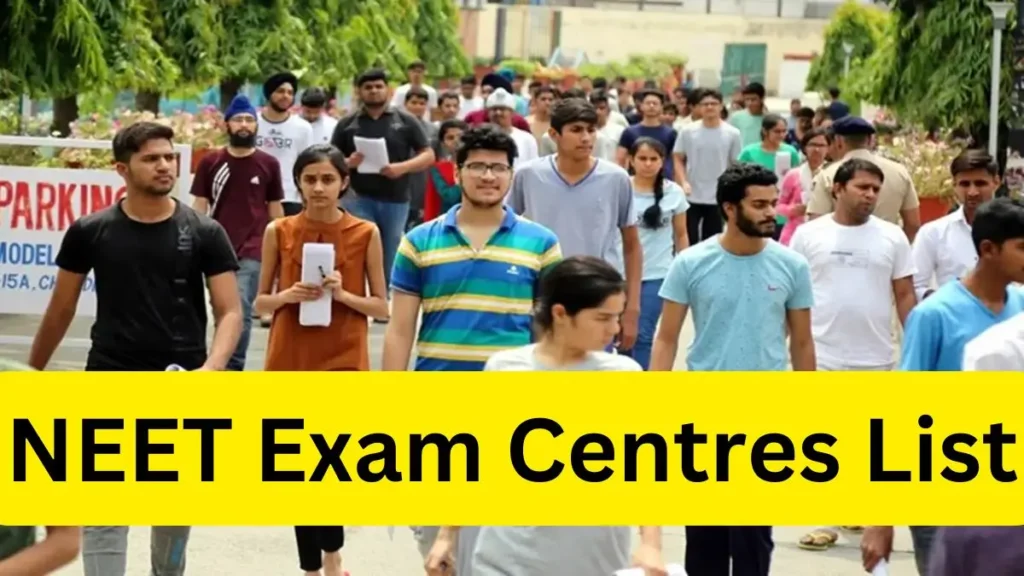
However, the process of sitting for NEET is often fraught with logistical challenges, particularly concerning the availability of exam centres. Many candidates find themselves having to travel long distances to reach their assigned testing locations. The limited number of exam centres creates significant barriers, especially for students from remote or rural areas, who may face additional hurdles such as transportation issues and financial constraints. This situation has resulted in a growing demand for more NEET exam centres across the state, highlighting the necessity for an expansion that reflects the increasing number of applicants and their diverse geographical distribution.
Current Scenario of NEET Exam Centres
The National Eligibility cum Entrance Test (NEET) plays a pivotal role in determining the futures of aspiring medical students in India. However, the existing distribution of NEET exam centres raises significant concerns, particularly for candidates hailing from rural and remote areas. Currently, a dominant concentration of exam centres is observed in urban regions, leaving candidates from rural backgrounds grappling with logistical challenges. This disparity often translates into a pronounced disadvantage for these aspirants, impacting their performance and increasing their anxiety levels on the day of the examination.
Detail Info about, NEET Aspirants
Statistics reveal a stark contrast in access to NEET Aspirants; while urban areas host a substantial number of facilities to accommodate a higher density of candidates, rural regions are significantly underserved. For instance, NEET Aspirants is estimated that nearly 75% of NEET centres are located in urban locations, while rural candidates, comprising a significant portion of the applicant pool, must often travel long distances to reach their designated centres. This journey, frequently fraught with transportation hurdles and time constraints, can detrimentally affect the mental and physical well-being of candidates who are already under immense pressure to perform. As per recent data, nearly 40% of rural candidates reported experiencing anxiety related to reaching their exam centres in time, which may adversely influence their overall exam performance.
The lack of adequate facilities and accessibility is not just a logistical issue; NEET Aspirants compounds the mental strain faced by these candidates, who may have to navigate unfamiliar surroundings on a day when clarity and focus are essential. Consequently, the call for additional NEET exam centres in rural and semi-urban areas has gained momentum, as stakeholders recognize that equitable access to facilities is vital for nurturing a healthier, more competitive examination landscape. Addressing this disparity will not only alleviate undue stress on candidates but also ensure a more level playing field in this crucial selection process.
Reasons Behind the Call for More Centres
The demand for an increase in the number of National Eligibility cum Entrance Test (NEET) exam centres stems from several pressing factors impacting aspirants across the state. One of the foremost concerns is accessibility. Many students, especially those residing in rural or remote areas, face significant challenges in traveling to existing examination centres. The limited number of centres often necessitates long and arduous journeys, which can be particularly daunting for young candidates who may not have easy access to transportation.
Travel hardships are compounded by the financial implications that come with such journeys. For many families, the costs associated with transportation, accommodation, and meals on exam day can strain their budgets. The socioeconomic background of NEET aspirants varies widely, and students from lower-income families may find it increasingly difficult to manage these expenses. Moreover, students who are required to travel long distances might arrive fatigued, affecting their performance during the examination. Therefore, the establishment of additional centres would help mitigate both travel expenses and fatigue, ultimately aiding in a more equitable testing environment.
The COVID-19 pandemic has further accentuated the need for more exam centres. With social distancing measures still in place, a higher number of exam centres could facilitate a safer examination process, reducing crowding and the potential spread of the virus. Aspirants are understandably concerned about their health and safety while taking such a critical test. By increasing the number of centres, the authorities can accommodate more students per examination session while adhering to safety protocols. This dual focus on accessibility and health creates a compelling rationale for the call for more NEET exam centres.
Possible Solutions and Future Outlook
The issue of limited National Eligibility cum Entrance Test (NEET) Aspirants has raised significant concerns among aspirants, necessitating a comprehensive exploration of potential solutions. One proactive approach to alleviating the burden on students could involve the National Testing Agency (NTA) increasing the number of available examination centres. By strategically establishing additional centres, particularly in rural and underserved areas, the NTA could enhance access for a greater number of candidates, thereby addressing geographical disparities that currently impede students from taking the exam.
Another feasible solution could be the temporary establishment of exam centres in locations with high concentrations of NEET aspirants. This would require collaboration with local educational institutions and state authorities, which can provide the necessary infrastructure and support. While logistical challenges may arise, implementing temporary facilities could be an effective way to accommodate the growing number of candidates, especially during peak examination periods.
Beyond addressing immediate logistical concerns, this situation underscores the broader implications for the education system. NEET Aspirants highlights the pressing need for comprehensive reforms aimed at improving access to higher education for aspiring medical students. As the demand for NEET continues to rise, stakeholders must engage in ongoing dialogues about equitable access and resource allocation. This may involve examining policies that prioritize underserved regions, thereby promoting a more inclusive approach to higher education.
Ultimately, the future of NEET aspirants is closely linked to these discussions. By prioritizing accessibility and equity within the exam process, educational authorities can foster an environment that nurtures aspiring medical professionals, irrespective of their socio-economic status or geographical location. A commitment to enhancing the NEET framework will not only improve the overall experience for candidates but will also signal a dedication to a more equitable education system.