
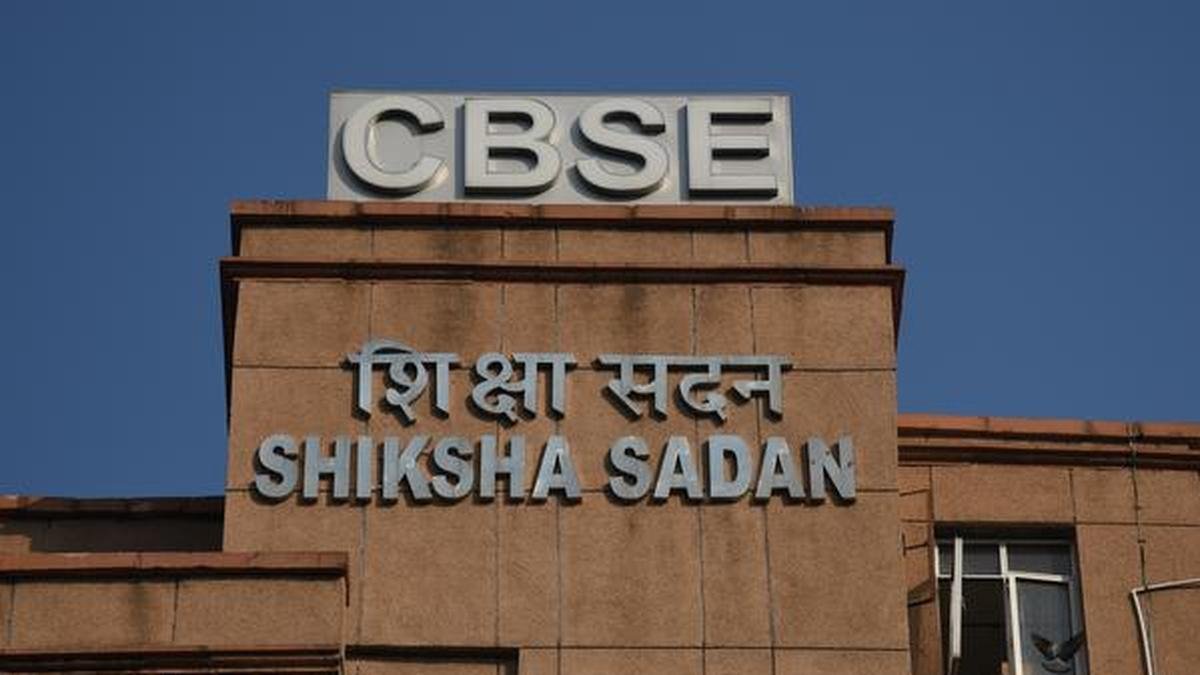
CBSE The Central Board of Secondary Education (CBSE) provides a marks verification process that allows Class 12 students to validate their examination results. This process is particularly significant during times when students may have doubts about their scores, especially following controversies such as the recent OSM affair. The primary reasons students seek verification include discrepancies in marks, unexpected results, or a desire to clarify assessment accuracy.
To initiate the verification process, students are required to submit an application through the official CBSE website. The application must include basic details such as the student’s roll number, school code, and other relevant identifiers. Importantly, students need to pay a stipulated verification fee, which is outlined on the CBSE notifications. This fee structure is essential as it ensures that only serious requests are processed and helps to manage administrative costs.
The verification process typically unfolds within a defined timeline. After submitting the application, students can expect to receive updates regarding their request, with the results commonly announced within a few weeks. This timely response is critical, especially for students who might be dependent on their scores for further education opportunities, whether for college admissions or scholarship considerations.
It is worth noting that the verification does not equate to re-evaluation or re-assessment of answer sheets. Instead, it focuses on confirming that the marks have been calculated correctly and that there are no clerical errors. The process aims to enhance transparency and instills confidence among students regarding the integrity of their marks. Hence, understanding the framework of the CBSE marks verification process is pivotal for students navigating their academic journeys.
The Ongoing OSM Controversy: Origin and Impact
The Open Schooling Model (OSM) controversy has emerged as a significant issue within the educational landscape, particularly affecting CBSE Class 12 students. The origins of this controversy can be traced back to disagreements over the validity and reliability of evaluations conducted under the OSM framework. This model was intended to offer flexible learning opportunities, yet it has come under scrutiny due to perceived inconsistencies in grading practices and assessment methodologies.
Stakeholders in this controversy include the Central Board of Secondary Education (CBSE), educational policy makers, students, and educational institutions. Many students who have participated in the OSM have expressed concerns that their marks do not accurately reflect their efforts and understanding of the subjects. The issue has heightened as discrepancies have emerged between the results of students adhering to traditional schooling versus those within the OSM.
This atmosphere of uncertainty surrounding OSM evaluations has led to a spike in requests for marks verification. Students, now questioning the credibility of their scores, are increasingly motivated to seek confirmation of their performance through official CBSE procedures. Not only does this reflect a desire for transparency, but it also underscores the broader implications of how academic evaluations influence students’ futures, including college admissions and career prospects.
Additionally, this surge in verification requests emphasizes a growing distrust in the OSM, prompting discussions among educators and policymakers about the need for revising evaluation standards and ensuring that all students receive fair assessments. As the controversy continues to evolve, it serves as a critical reminder of the importance of maintaining integrity within educational evaluation systems, highlighting the pressing need for reforms that can restore confidence among students and stakeholders alike.
Statistics and Trends: 40,000 Students Requesting Marks Verification
The recent controversy surrounding the Online Schooling Module (OSM) has given rise to an unprecedented demand for marks verification among CBSE Class 12 students. As of this writing, over 40,000 petitions for verification of marks have been submitted, indicating a significant surge compared to previous academic years. To contextualize this increase, it is essential to present key statistics that highlight the scale of this situation.
In the previous year, marks verification requests averaged around 15,000, illustrating a staggering increase of approximately 167% this year. This dramatic rise can be attributed to the discontent expressed by students regarding their examination results, many of which were perceived to be influenced by the recent o{‘s’}m fluctuations. This has created a climate of uncertainty and mistrust, prompting students to seek confirmation of their marks.
Analyzing the data further reveals that the peak for these requests occurred within the first two weeks post-results announcement, coinciding with widespread discussions surrounding the grading criteria employed this year. The number of requests filed during this period accounted for nearly 70% of the total submissions, suggesting that the students were eager to confirm their standings before proceeding with their higher education plans.
Additionally, the trend shows a diverse demographic of students affected. Urban schools reported a greater concentration of verification requests, likely linked to a higher level of engagement with online platforms where these grievances were widely communicated. Conversely, requests from rural schools, although less frequent, are steadily gaining momentum as awareness spreads. This surge in requests reflects a broader need for transparency and fairness in academic evaluations in the wake of recent educational reforms. It serves as a reminder of the vital importance of student voices in shaping educational policies.
Students’ Reactions and Future Implications
The recent surge in requests for marks verification among CBSE Class 12 students can be largely attributed to the ongoing OSM (Online Scrutiny Management) controversy. This situation has elicited a spectrum of reactions from students. A significant number of students have expressed their support for the marks verification initiative, citing it as a necessary step to ensure fairness and transparency in the examination process. They believe that this process not only assists in rectifying errors but also bolsters academic integrity. For these students, the verification process represents an opportunity to advocate for their hard work and ensure that their achievements are accurately reflected in their final grades.
Conversely, some students have voiced skepticism regarding the effectiveness of the verification initiative. Critics argue that the current implementation may not address underlying systemic issues within the evaluation framework. Concerns have been raised about potential bureaucratic delays, inefficiencies, and the possibility of emotional distress caused by the uncertainty surrounding their academic futures. This ambivalence highlights a broader narrative within student circles about trust in academic institutions and their assessments.
The implications of the ongoing discourse surrounding the verification requests and the associated OSM controversy extend beyond the immediate academic year. Educational policymakers may be prompted to rethink the mechanisms of marks verification and evaluation standards. This scrutiny could lead to reforms aimed at making examination processes more transparent and responsive to student concerns. Moreover, this incident may serve as a case study for future academic policies, potentially prompting other educational boards to explore similar verification processes. Ultimately, as more students engage in this dialogue, it evolves into a crucial conversation on shaping equitable assessment practices in subsequent academic years.