
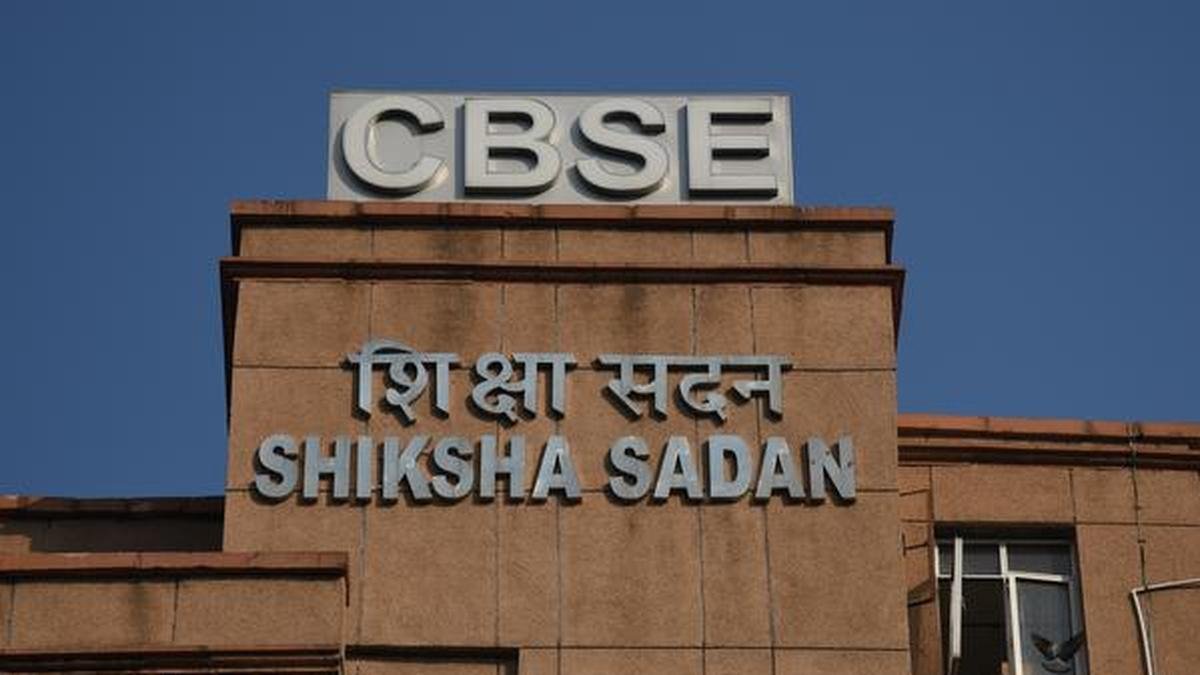
CBSE The National Students’ Union of India (NSUI) has filed a significant petition in the Delhi High Court, addressing critical concerns related to the Central Board of Secondary Education’s (CBSE) Open Schooling Model (OSM). This legal move emerges amidst growing dissatisfaction among students and educational stakeholders regarding the transparency and fairness of the examination processes within the OSM framework. The petition aims to shed light on various discrepancies that have allegedly surfaced during the examinations, raising questions about the integrity of the assessment procedures.
In the petition, NSUI has articulated specific allegations that include claims of arbitrary grading, irregularities in the distribution of examination material, and inconsistencies in the evaluation process. These issues are particularly pressing given the increasing reliance on alternative education models, which have become essential for many students unable to participate in traditional schooling due to various circumstances. The allegations put forth by the NSUI are not merely administrative grievances but reflect broader concerns about educational equity and the right to a fair assessment.
The implications of the petition extend beyond immediate remediation for affected students; they highlight the need for systemic reforms in the CBSE examination framework. As the educational landscape evolves, ensuring the integrity of examination systems becomes paramount. The NSUI’s move to seek judicial intervention signals a pivotal moment in the ongoing discourse around educational quality and accountability. This legal challenge not only aims to address the specific issues at hand but also serves as a call to action for policymakers and educational authorities to reassess and fortify the mechanisms by which assessments are conducted under the OSM. The outcome of this petition may significantly influence future policies regarding open schooling and its acceptance within the broader educational ecosystem.
Background on the CBSE Open Schooling Model (OSM)
The Central Board of Secondary Education (CBSE) Open Schooling Model (OSM) plays a crucial role in providing access to education for diverse segments of the population in India. Launched in 1990, the OSM was developed in response to the need for a flexible educational framework that caters to students who may not fit into conventional schooling systems due to various personal, professional, or geographic reasons. This initiative aims to facilitate learning opportunities for those unable to attend regular schools, thereby promoting inclusivity and educational equity.
The intent behind the Open Schooling Model is to offer an alternative mode of education that is more accessible, adjustable, and tailored to the learning pace and style of each student. Under this model, curriculum and assessment methods are designed to be more flexible, allowing learners to choose subjects and study at their convenience. The CBSE OSM includes several key features such as the provision of study materials, an expansive network of study centers, and the opportunity for students to appear for examinations as per their readiness.
Over the years, the Open Schooling Model has evolved significantly, incorporating advancements in technology and pedagogical methods to enhance the learning experience. Despite its many advantages, the model has faced challenges, including concerns over the quality of education and periodic allegations of mismanagement. These issues have sparked debates and controversies, especially in light of recent developments and the NSUI’s legal action, which seeks to probe the operational integrity of CBSE OSM. The current situation highlights the ongoing discourse about educational reforms and the imperative for accountable governance in open schooling mechanisms across India.
Reactions from Stakeholders and Experts
The recent petition filed by the National Students’ Union of India (NSUI) in the Delhi High Court regarding the CBSE’s Open School Management (OSM) approach has sparked diverse reactions across various sectors, highlighting the complexities of the educational landscape in the country. Many educational experts have been vocal about the implications of the allegations concerning discrepancies in the OSM. Their concerns primarily revolve around the operational effectiveness of CBSE’s educational policies and how these may inadvertently affect students’ academic performance.
Some stakeholders argue that the NSUI’s claims merit serious consideration. They emphasize the need for transparency within the CBSE, particularly in how the OSM is managed. These groups stress that the integrity of academic evaluations is crucial for maintaining the trust of students and parents alike. Educational policy analysts have pointed out that any potential inconsistencies in grading or operational protocols could have detrimental effects, not only on student morale but also on the overall credibility of the certification process.
Conversely, a faction within the educational community has defended the CBSE, suggesting that the concerns raised may be politically motivated. They argue that the existing framework of the OSM is adequate, and the Union’s claims may disrupt the ongoing educational process. Government officials have echoed these sentiments, stating that while feedback from student organizations like NSUI is valuable, it is essential to assess accusations based on empirical evidence and comprehensive analysis.
In light of the ongoing discussions, experts have begun advocating for an independent review of the CBSE’s practices. Recommendations suggest that a collaborative approach, involving student organizations, educational institutions, and government agencies, could yield effective solutions. This collective effort may enhance the educational ecosystem by addressing legitimate concerns while simultaneously preserving the integrity of academic standards.
Legal Implications and Next Steps
The recent move by the National Students’ Union of India (NSUI) to approach the Delhi High Court regarding the Central Board of Secondary Education’s (CBSE) Open Schooling Model (OSM) raises several significant legal implications. By seeking a judicial probe, the NSUI is not only challenging the legitimacy of the OSM but is also indirectly questioning the regulatory frameworks that govern educational policies within the country. This legal action could illuminate issues concerning transparency, accountability, and the fundamental rights of students.
It is crucial to consider the possible outcomes of the court proceedings initiated by the NSUI. If the Delhi High Court finds merit in the allegations concerning the OSM, it could lead to an overhaul of current assessment methodologies used within the CBSE framework. This outcome would likely have far-reaching consequences not just for open schooling but could also serve as a precedent for other educational boards grappling with similar issues of assessment integrity and efficacy.
The implications of this case extend into future educational policies as it could compel the CBSE and other educational authorities to re-evaluate their systems of evaluation and the principles upon which they are founded. Such scrutiny could pave the way for reforms aimed at enhancing the credibility and reliability of assessments in open-schooling formats, aligning them more closely with the standards set forth in public examinations.
Looking ahead, both the NSUI and the CBSE will need to prepare for the court’s ruling and any potential ramifications that may follow. The NSUI might escalate its advocacy efforts to garner more support while developing strategies to influence educational policies positively. Conversely, the CBSE could bolster its legal framework or implement immediate changes to mitigate adverse outcomes arising from the court’s decision. The unfolding of this legal matter is sure to ignite discussions surrounding the integrity of student assessments and the overall effectiveness of open schooling.