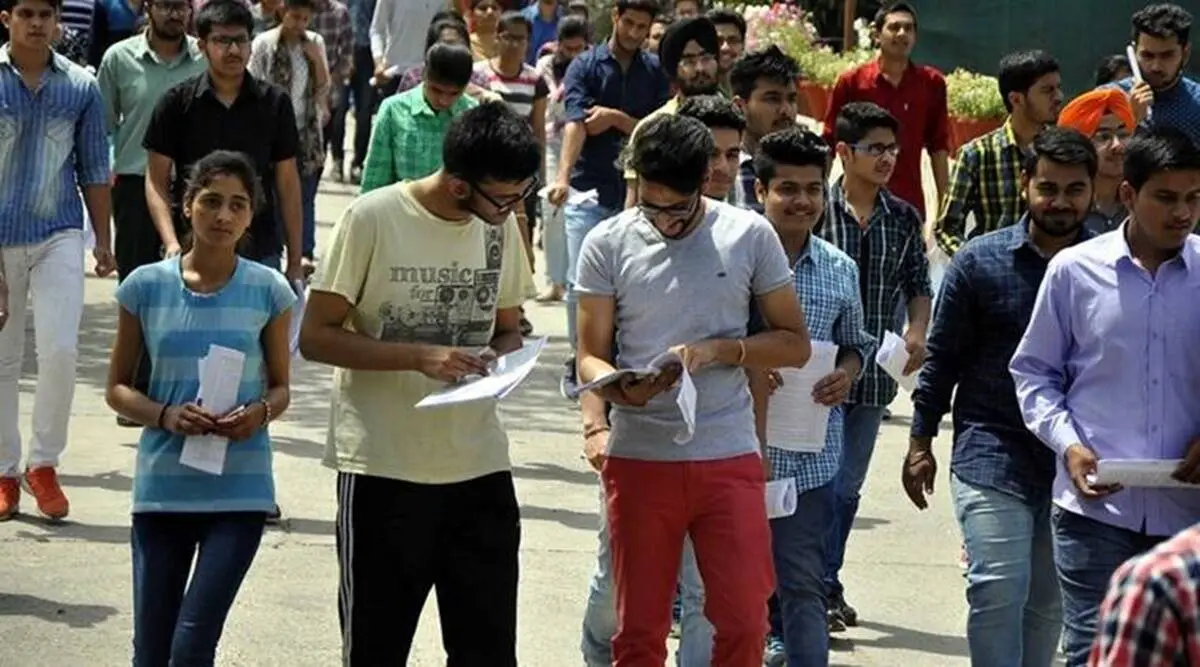

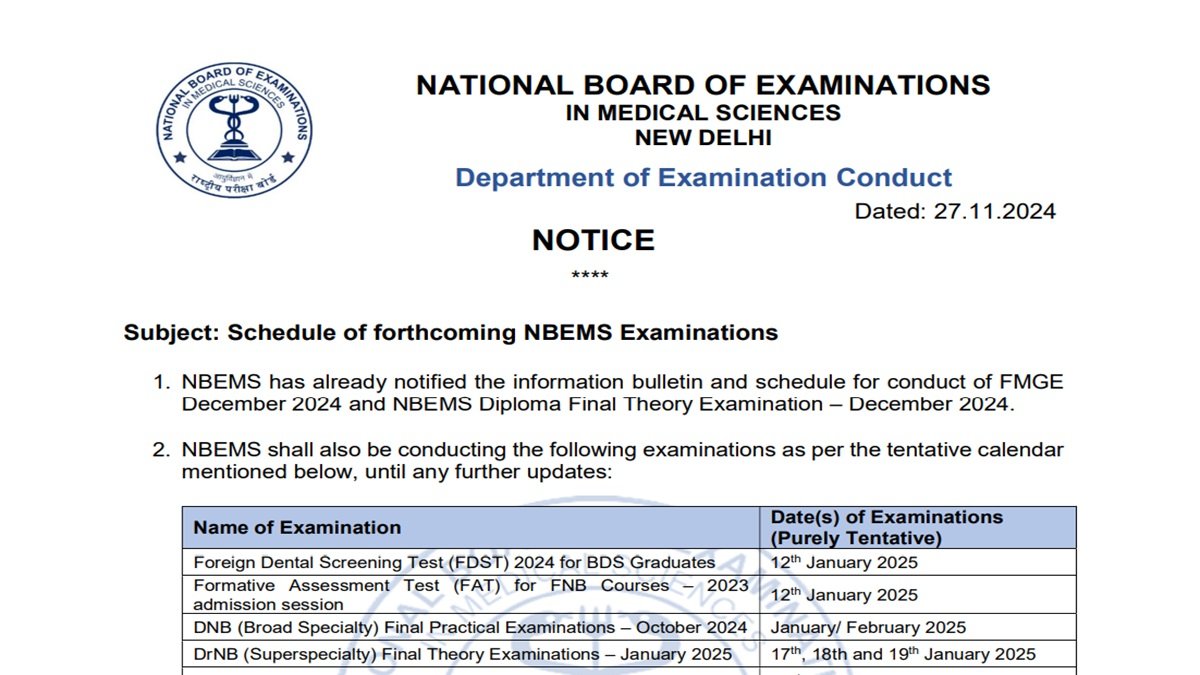

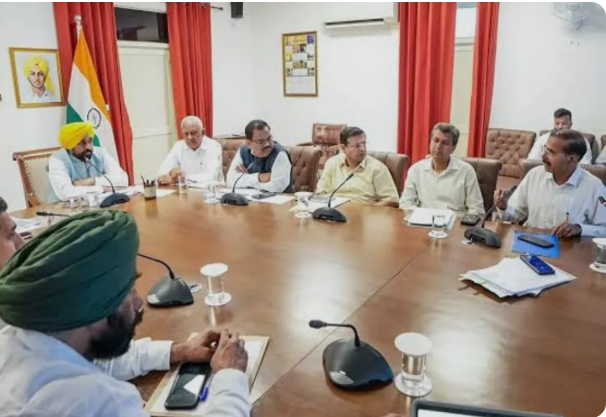
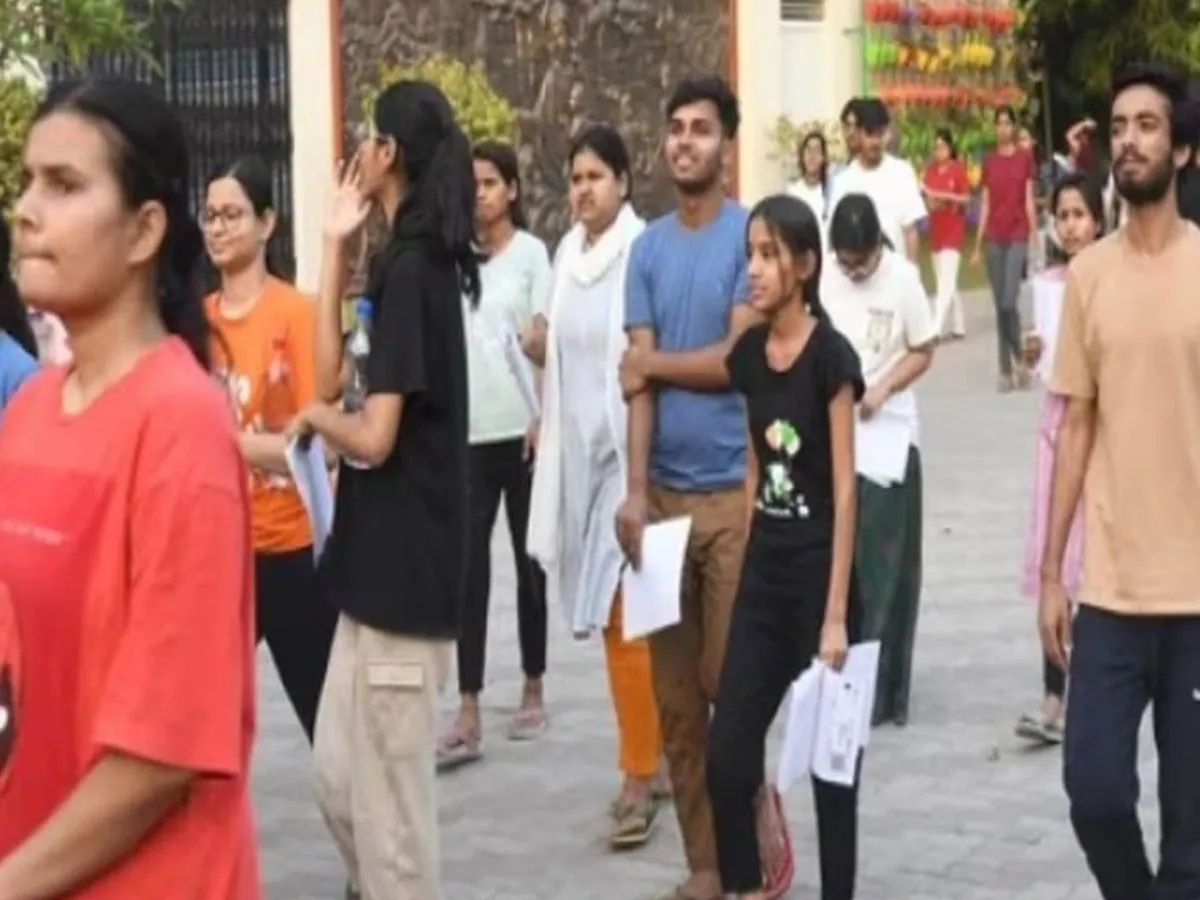

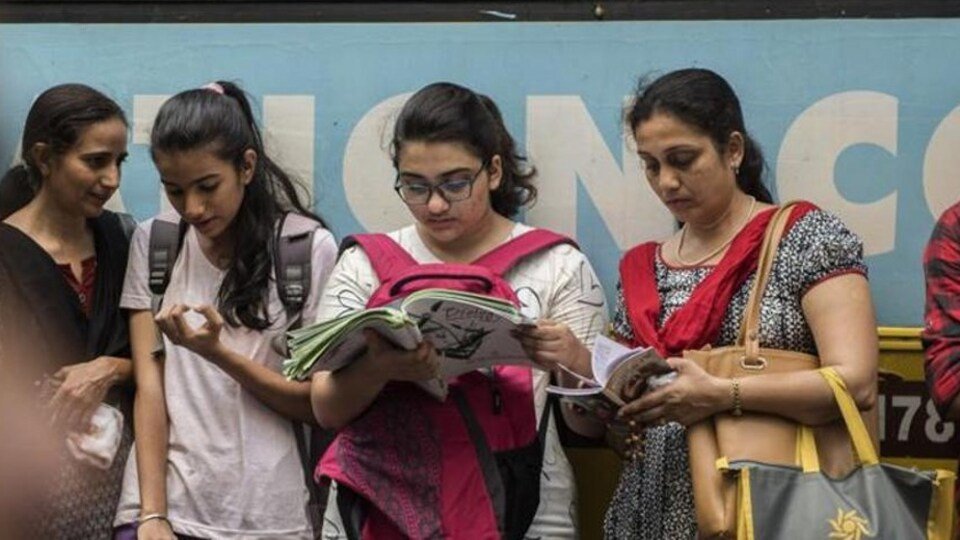
Expansion of Medical Education In a significant development aimed at enhancing healthcare education, the Government of India has recently announced the establishment of 43 new medical colleges across the nation. This initiative, put forth by the Minister of State for Health, is part of a broader strategy to address the increasing demand for qualified medical professionals in the country. The establishment of these colleges is expected to play a crucial role in bolstering the healthcare system by providing the necessary infrastructure for training future doctors.
The addition of these new institutions will also facilitate a substantial increase in the number of available seats for medical education. With over 11,000 new MBBS and postgraduate (PG) seats set to be introduced for the academic year 2025-26, the government aims to significantly alleviate the current shortage of healthcare practitioners. The expansion of medical education seeks to ensure that aspiring medical students have better access to training programs and advanced educational resources.
Furthermore, this initiative is part of the government’s ongoing efforts to promote equitable healthcare access and improve health outcomes in rural and underserved areas. New medical colleges will not only increase the overall number of trained physicians but also help distribute them more evenly across various regions, addressing disparities in healthcare access. By promoting regional medical colleges, the government is keen on encouraging students from diverse backgrounds to pursue careers in medicine, thereby enriching the overall quality of healthcare professionals in India.
Details of the New Medical Colleges
Expansion of Medical Education The recent approval of 43 new medical colleges by the Indian government marks a significant milestone in the advancement of medical education in the country. This expansion is characterized by a blend of both government and private institutions, strategically distributed across various states to enhance healthcare accessibility. Currently, these new colleges are expected to contribute over 11,000 new seats for MBBS and postgraduate (PG) programs, thereby addressing the pressing shortage of trained medical professionals in India.
In terms of distribution, states such as Uttar Pradesh, Maharashtra, and Tamil Nadu are set to benefit the most from this initiative, with several colleges being established to cater to the burgeoning population’s healthcare needs. Among these, several major cities will see the establishment of government medical colleges aimed at offering affordable education and bridging the gap in medical services. For instance, Uttar Pradesh is receiving a substantial number of new institutions that will significantly enhance its medical training capacity.
Furthermore, the initiative is poised to have a profound impact on the overall infrastructure of medical education in India. This includes the recruitment of qualified faculty, investment in state-of-the-art equipment, and the establishment of modern teaching hospitals, crucial for nurturing the next generation of healthcare professionals. The estimated student intake per college is projected to average around 150 for MBBS, contributing to a more substantial workforce in healthcare sectors.
It is crucial to note that this expansion not only aims to increase the quantity of medical professionals but also focuses on improving the quality of education through better facilities and resources. The anticipated establishment of these colleges reflects a commitment to addressing the unmet healthcare needs of the nation by providing ample opportunities for aspiring medical students to pursue their dreams.
Significance of the Increase in MBBS and PG Seats
Expansion of Medical Education The recent approval of 11,682 MBBS and 8,967 postgraduate (PG) seats for the academic year 2025-26 marks a pivotal advancement in India’s medical education landscape. This considerable increase in available seats is not only a response to the growing population but also addresses the critical shortage of healthcare professionals, particularly in rural and underserved areas. The introduction of new medical colleges will help bridge the gap between healthcare demand and supply, ensuring that the nation is better equipped to handle public health challenges.
As the Indian healthcare system strives to enhance service delivery, expanding the number of MBBS and PG seats is imperative. Each additional seat represents a potential healthcare provider who could contribute to the reduction of health disparities across the country. More medical professionals trained in varied disciplines will ensure a more comprehensive healthcare system, providing better access to quality services and specialists. Moreover, this expansion can empower a new generation of doctors with the skills to meet the changing needs of patient care, including emerging health concerns such as lifestyle diseases and mental health issues.
The significance extends beyond merely increasing numbers; it fosters the development of a robust educational framework that can sustain the training of competent medical staff. It enhances collaboration between educational institutions and healthcare facilities, promoting practical experiences for students, which is vital for their professional growth. Consequently, the improved medical training infrastructure can stimulate better healthcare outcomes, reduce the burden on existing healthcare systems, and ultimately contribute to a healthier population.
In conclusion, the increase in MBBS and PG seats holds substantial importance for India’s healthcare framework. It signifies a strategic move towards a more resilient and inclusive healthcare system, addressing both current and future challenges in medical service delivery.
Government Initiatives and Future Outlook
The expansion of medical education in India has been significantly shaped by a series of government initiatives aimed at improving healthcare infrastructure and responding to the rising demand for qualified medical professionals. In recent years, the government has introduced numerous programs to facilitate the establishment of new medical colleges across various states, leading to the approval of 43 new institutions. This expansion is projected to add over 11,000 MBBS and postgraduate seats, enhancing the overall capacity of medical education and training in the country.
One of the pivotal schemes fostering this growth is the “Dynamic Approval System,” which streamlines the process for setting up medical colleges and increases the efficiency of allocating resources. Additionally, the government has prioritized the allocation of funds for upgrading existing medical colleges through various grants and incentives, thereby ensuring that both infrastructure and educational quality meet contemporary standards.
Looking forward, the future of medical education in India is poised for even greater transformation. The government plans to introduce policies focused on the integration of technology in medical training, making education more accessible and encompassing modern developments in healthcare. A significant initiative is the emphasis on telemedicine and digital health education, which has gained momentum, especially during the pandemic. However, challenges remain, including the need for sufficiently qualified faculty, enhancing rural healthcare education, and ensuring that all regions of the country are adequately served.
Policy changes are crucial in addressing these challenges. The government is also encouraged to consider holistic reforms to elevate the standards of both medical education and healthcare services. For instance, optimizing the curriculum to include emerging fields in medicine will be essential. By focusing on innovative education strategies, India can nurture well-rounded healthcare professionals who are equipped to address the dynamic needs of its population.