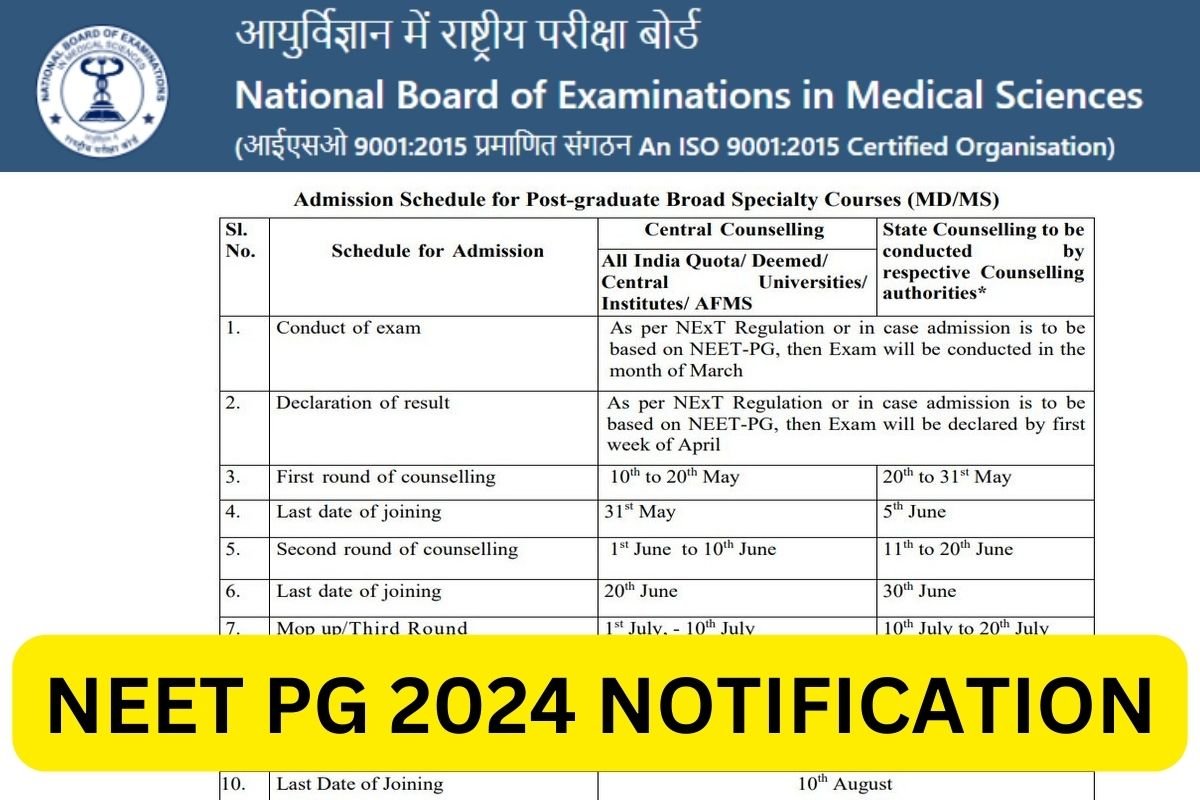





The National Eligibility cum Entrance Test for Postgraduates (NEET PG) 2025 is a critical examination that serves as a gateway for aspiring medical professionals seeking postgraduate seats in India. This exam is pivotal not only for Indian nationals but has also seen a noteworthy inclusion of Non-Resident Indians (NRIs) looking to further their medical careers in Indian institutions.
According to the latest data, a total of approximately 2,71,000 candidates participated in the NEET PG 2025 examination, emphasizing the competitive nature of this entrance test. Among these candidates, a significant figure of 1,666 successfully converted their status to NRI. This increasing trend of candidates obtaining NRI status raises pertinent questions regarding the accessibility and equity of medical education in India.
The implications of this conversion are substantial for the Indian medical educational system. With an uptick in candidates identifying as NRIs, there is a potential shift in the demographic composition of students in postgraduate programs, which may affect both the allocation of seats and the distribution of resources. These NRIs often pay significantly higher tuition fees compared to Indian nationals, which may attract considerable financial influx into the educational institutions but could also lead to perceptions of exclusivity.
Moreover, the legal loopholes that permit candidates to switch to NRI status can spark debates on the fairness and integrity of the admission process. As medical seats are finite, the conversion phenomenon could further complicate the aspirations of local candidates who may face tougher competition in securing a place in postgraduate programs. As we delve deeper into this subject, it becomes essential to consider the broader implications this trend holds for the future of medical education and healthcare delivery in India.
Understanding the Legal Loopholes
The landscape of medical education often appears to be advantageous for some students, particularly those vying for the highly coveted NRI (Non-Resident Indian) seats in prestigious institutions. However, beneath this façade lies a series of legal loopholes that have undermined the integrity of the admission process. Legal loopholes are gaps or ambiguities in the law that can be exploited, allowing individuals to gain advantages not intended by regulatory frameworks.
These loopholes have emerged from poorly defined regulations regarding NRI admissions, leading to a situation where students with low qualifying scores can secure their spots in costly medical programs. The absence of stringent verification processes plays a critical role in perpetuating these issues, as candidates can manipulate their residency status. For instance, some individuals obtain false documentation asserting their NRI status or misrepresent their financial backgrounds to fit into the NRI category.
One of the methods frequently observed involves the creation of proxy NRI status through relatives living abroad. These candidates claim their connections to overseas family members as justification for their admission, despite not meeting the required academic benchmarks. Such practices erode the credibility of the examination system and place deserving candidates at a significant disadvantage.
Additionally, the regulatory framework intended to govern NRI admissions lacks robust enforcement mechanisms, allowing unscrupulous individuals to exploit these legal gaps effectively. Without rigorous checks and balances, institutions may inadvertently contribute to the ongoing deterioration of the admission process, leading to a decline in educational standards. The impact of these loopholes raises pressing questions regarding the fairness and transparency of medical education in India, prompting a need for comprehensive reform to safeguard its integrity.
Impact on Medical Education and Quality of Healthcare
The admission of low-scoring candidates into prestigious NRI seats can have profound implications for medical education and the overall quality of healthcare in India. When institutions begin to prioritize the financial benefits associated with admitting non-resident Indians over the academic merit of candidates, it raises significant concerns about the integrity of medical education. The core mission of medical schools is to educate future healthcare professionals who not only possess knowledge but also demonstrate critical thinking and clinical skills essential for patient care.
Low admission standards for NRI seats threaten to dilute the quality of medical training, leading to a workforce that may lack the necessary competencies required in high-stakes medical environments. This scenario can result in substandard patient care, as inadequately trained physicians may struggle to make informed decisions during medical emergencies or complex cases. Educators and healthcare professionals emphasize the need for stringent admission processes that assess not only academic performance but also the holistic development of candidates.
Moreover, the repercussions of admitting lower-performing students extend beyond immediate healthcare outcomes. The long-term viability of India’s medical workforce may be compromised if a significant proportion of graduates fails to meet the evolving demands of the healthcare sector. As global healthcare challenges intensify, including an aging population and an increase in chronic diseases, the country requires a robust medical workforce that is well-prepared and capable of addressing these issues.
Addressing the potential effects of these admissions policies is crucial to maintaining high educational standards. Failing to do so risks undermining public trust in the healthcare system and diminishes India’s reputation as a center for medical excellence. A collective commitment to rigorous academic standards is essential for the development of well-trained medical professionals who can contribute effectively to patient care and the future health landscape of the country.
Possible Reforms and Solutions
To address the legal loopholes that currently affect NRI admissions in the NEET PG 2025 framework, a multifaceted approach is essential. Experts in educational policy and medical admissions suggest that stricter regulations could be implemented to ensure that equity is maintained throughout the process. One potential reform is the introduction of comprehensive guidelines that clearly outline the eligibility criteria for NRI candidates and the necessary documentation required. This would not only promote clarity but also limit arbitrary interpretations of existing laws.
Furthermore, enhancing oversight within the admissions process is crucial. Establishing an independent regulatory body tasked with monitoring compliance with established guidelines would help reduce instances of malpractice or unfair advantage. This entity could be empowered to conduct audits and reviews of admission practices across institutions, thereby fostering accountability. Additionally, transparent reporting mechanisms could be put in place, allowing stakeholders, including prospective students and their families, access to detailed information about admission policies and processes.
Another recommendation includes the implementation of a centralized admission process for different categories of candidates, including NRIs. This would help streamline the admissions process and eliminate the existing disparities that sometimes arise from varying institutional procedures. Additionally, introducing measures to enhance transparency, such as publicizing admission statistics, waiting lists, and any allocated seats, would build trust among applicants.
Implementing these reforms could have significant positive consequences. A more equitable admissions framework would not only align with global standards but also contribute to cultivating a competent medical workforce in India. By addressing the challenges posed by loopholes in the current system, the country can ensure that its medical education landscape is both fair and effective, ultimately benefiting all stakeholders in the long term.