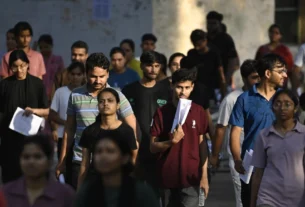
The NEET Aspirant’s Journey
Remembering a Tragic Loss The journey of a National Eligibility cum Entrance Test (NEET) aspirant is often marked by a mixture of dreams, hard work, and, unfortunately, significant stress. Many students undertake this rigorous path with the hope of securing a place in one of India’s esteemed medical colleges, which is seen as a gateway to a promising career in the medical field. This aspiration, however, comes with immense pressures that can take a toll on mental health.
In the context of a particular NEET aspirant, let us reflect on the various challenges faced. This individual, like numerous others, spent countless hours preparing for the exam, navigating a curriculum laden with demanding subjects that required not only rote memorization but comprehensive understanding. The preparation often starts at an early age, sometimes as young as 11 or 12, making for years of intense academic rigour and a constant state of competition.
Moreover, this aspirant was not only burdened by the academic weight but also by external expectations. Family, peers, and societal norms create an environment where success in NEET is equated to personal worth. These pressures can lead to burnout and anxiety, with many students feeling they must sacrifice their emotional and physical well-being to achieve their goals. Psychological support tends to be minimally addressed in traditional educational systems, leading to a troubling trend where discussions about mental health are often stigmatized or overlooked.
The tragic story of this NEET aspirant highlights a broader issue within the educational landscape in India, where the dream of becoming a doctor collides with the harsh realities of academic stress and societal pressure. Recognizing these challenges is essential for fostering a healthier environment for future aspirants who dream of making a difference in the field of medicine.
Circumstances Surrounding the Death
The tragic death of the NEET aspirant shines a harsh light on the pressures surrounding students in India’s competitive examination landscape. This incident serves as a poignant reminder of the often overwhelming academic burden that young individuals face. In the months leading up to this heartbreaking event, the aspirant, like many others, was subjected to intense scrutiny regarding their performance in numerous preparatory tests. Such relentless academic pressure is not uncommon in a society that places exceptionally high expectations on students, aiming for success in prestigious entrance examinations like NEET.
Family expectations can further compound this pressure, where the aspiration for a medical career is seen as a source of pride and achievement. This social dynamic creates an environment where failure is not merely disappointing but can be perceived as a personal or familial disgrace. The collective anxiety surrounding entrance exams can lead to severe mental health challenges, a reality that is often overlooked by both educational institutions and society at large.
Moreover, the role of educational institutions in this context cannot be disregarded. Many coaching centers and schools, while aiming to prepare students for rigorous examinations, often perpetuate a culture that prioritizes results over well-being. The focus remains heavily on academic excellence, with little emphasis on supporting students’ mental health. The tragic incident underscores the urgent need for institutions to foster an environment that balances academic rigor with emotional and psychological support.
Ultimately, this unfortunate event not only highlights the profound impact of academic pressure and societal expectations on students but also calls for greater awareness and reform within the education system. Addressing these issues is essential to prevent future tragedies and to promote a healthier approach to education and examinations in India.
Prashant Kishor’s Visit to the Family
Remembering a Tragic Loss In a poignant encounter, Prashant Kishor visited the family of the recent NEET aspirant who tragically lost their life. The meeting took place in an atmosphere filled with overwhelming sorrow. The family members expressed their grief, revealing the toll that the pressures of competitive examinations can take on young students and their loved ones. Kishor’s presence offered a sense of solidarity amid their pain.
During his visit, Kishor engaged the family in heartfelt conversations, listening intently to their concerns and experiences. He empathized with their situation, understanding the formidable challenges that students undergo in the pursuit of academic success. Kishor emphasized that mental health is an issue that demands urgent attention, and he articulated a deep concern regarding the systemic pressures placed on students preparing for national exams like NEET.
As he spoke to the grieving family, Kishor underscored the responsibility of both society and governmental institutions in alleviating the burden on students. He advocated for comprehensive mental health support systems within educational frameworks, asserting that it is imperative for stakeholders, including educators, policymakers, and families, to foster an environment that prioritizes the well-being of students over mere academic achievement. He highlighted that damaging societal expectations and relentless competition can lead to tragic consequences, as witnessed in this heartbreaking incident.
Kishor’s visit served not only as a gesture of condolence but also as a clarion call for collective action to protect the mental health of students. His commitment to raising awareness about the issue reflects a broader recognition of the need for systemic changes in how educational pressures are managed, ensuring that no family has to endure such a harrowing loss again.
The Broader Implications and Call to Action
Remembering a Tragic Loss The tragic loss of a NEET aspirant not only highlights individual struggles but also underscores systemic issues within India’s educational landscape. This tragedy acts as a poignant reminder of the immense pressure that students face in competitive examinations. The current model of education, which emphasizes high-stakes assessments, often overlooks the mental health needs of students. Such scenarios call for a thorough reassessment of how the examination system is structured and how it impacts students and their families.
One critical area for reform is the approach to competitive exams. Currently, a vast number of students experience severe stress and anxiety, stemming from the fierce competition and societal expectations. Policymakers and educational authorities must consider implementing a more holistic evaluation system that accounts for mental well-being and personal growth alongside academic performance. This could involve introducing formative assessments that promote understanding rather than rote memorization. Additionally, measures to diminish the stigma surrounding mental health issues should be a priority, fostering an environment where students feel safe seeking help.
The societal implications of this tragedy extend beyond educational reform; they call for a cultural shift in how we support young scholars. Families, community organizations, and educational institutions must collaborate to create supportive structures for students. Open dialogues about mental health, along with accessible resources, can empower students to reach out for assistance before crises arise.
In light of these considerations, it is imperative for stakeholders—including educators, parents, mental health professionals, and policymakers—to engage in proactive discussions aimed at cultivating a healthier educational atmosphere. A collective effort can lead to significant improvements in both mental health awareness and the frameworks governing competitive examinations. Addressing these systemic challenges will not only honor the memory of the young aspirant but also strive to prevent future tragedies from occurring.