


MCC Updates AIQ Matrix
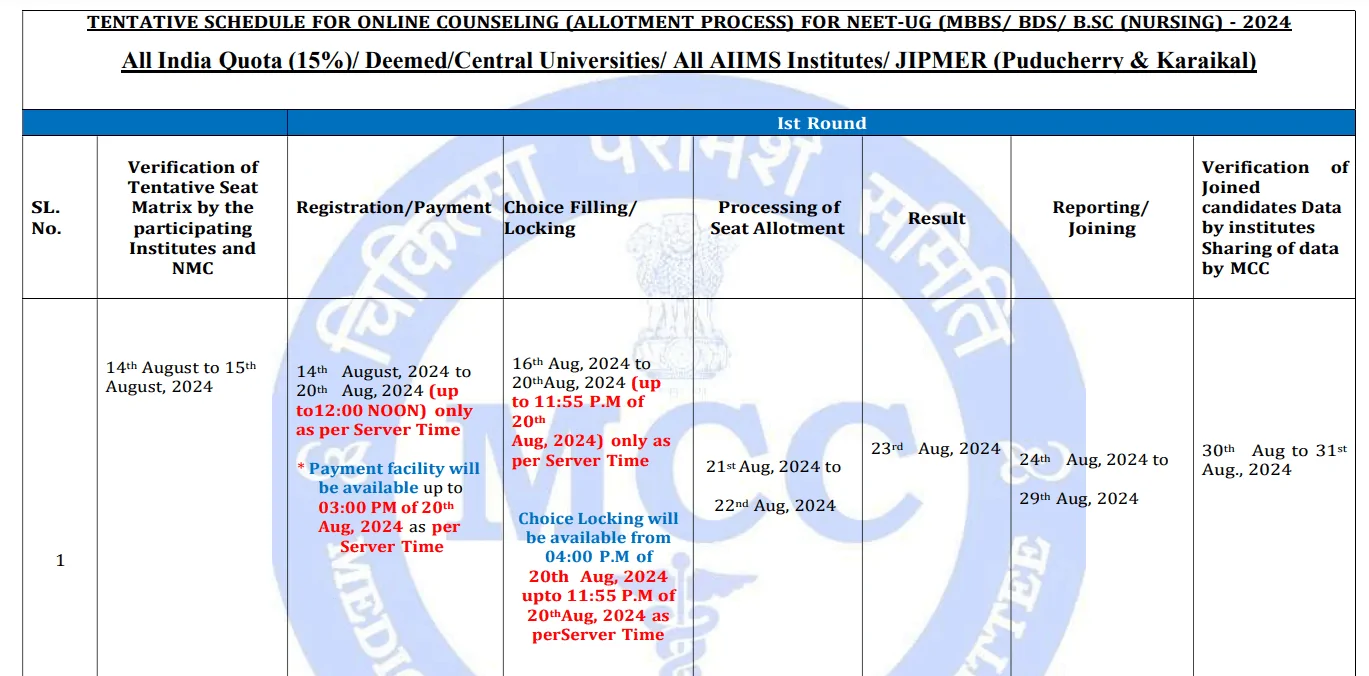
The All India Quota (AIQ) Matrix is a pivotal tool established by India’s Medical Counselling Committee (MCC), playing a significant role in the medical admissions process for aspiring students seeking seats in government and private medical colleges. The AIQ represents a certain percentage of seats, typically 15%, allocated to candidates from all over the country. Through this matrix, the MCC ensures that the selection of students is transparent and merit-based, contributing to a fair distribution of educational opportunities in the medical sector.
The functioning of the AIQ Matrix involves the synthesis of various factors, including the candidates’ National Eligibility cum Entrance Test (NEET) scores, their ranks, and reservation policies. This information is critical; it determines the allocation of seats for MBBS and BDS courses. The comprehensive data collated in the AIQ Matrix provides a structure for counseling, helping eligible candidates choose colleges and courses based on their preferences and scores, thereby aiming to enhance the overall admission process.
The importance of the AIQ Matrix cannot be overstated, as it underpins the admission framework within which students from diverse backgrounds can access medical education. Moreover, the MCC is responsible for managing and updating this matrix, ensuring that any changes in policies, seat availability, or admission criteria are swiftly accommodated. This agile management system is essential, especially in periods of increased admissions, such as the NEET Special Round. By adhering to a standardized and codified approach, the AIQ Matrix contributes significantly to the equitable allocation of medical seats, fostering diversity in colleges while maintaining excellence in medical education across India.
Details of Recent Updates by MCC
MCC Updates AIQ Matrix The Medical Counselling Committee (MCC) has recently announced significant updates concerning the All India Quota (AIQ) Matrix for the current NEET admission cycle, particularly impacting the NEET special rounds. A notable update is the removal of MBBS seats allocated for these special rounds. This change has generated considerable interest and concern among prospective medical students, as it marks a clear departure from previous admissions policies.
This decision was primarily influenced by administrative revisions aimed at streamlining the admissions process and ensuring that seat allocations are more equitable and transparent. By omitting MBBS seats from the special rounds, the MCC aims to reduce confusion and facilitate a more organized approach to the admissions timeline. This contrasts sharply with former practices, where such seats were prominently offered, allowing candidates to secure placement even in the latter stages of the counseling process.
MCC Updates AIQ Matrix The implications of this modification are multifaceted. For candidates, the removal of MBBS seats from the NEET special round may lead to increased competition during earlier counseling rounds, as fewer opportunities will be available for last-minute placements. This alteration could compel candidates to strategize and prepare more thoroughly in advance, understanding that the chance to secure MBBS seats through special rounds has been significantly minimized. Furthermore, this legislative modification may affect the overall dynamics of admissions, prompting a reassessment of options for many medical aspirants.
As candidates navigate these changes, it is essential for them to remain informed about all updates from the MCC. Staying ahead in understanding these policies can facilitate better planning and preparation for their medical career pursuits.
Impact on Students and Admission Process
MCC Updates AIQ Matrix The recent updates by the Medical Counselling Committee (MCC) regarding the AIQ Matrix have significant implications for students preparing for the National Eligibility cum Entrance Test (NEET) and those anticipating admission through special rounds. One of the most notable changes is the removal of MBBS seats from the special round allocation. This development is likely to reshape the landscape for aspirants, influencing their choices and strategies during the admission process.
Firstly, the absence of MBBS seats may lead to a decrease in the number of candidates competing in the special round. Students who primarily aimed for MBBS seats might reconsider their options and potentially opt for different courses like BDS or alternative medical fields. Consequently, this could diversify the candidate pool, prompting a shift in preferences regarding the courses students choose to pursue. The change encourages applicants to explore a broader range of programs, thus providing an opportunity to attain their desired career path within healthcare.
Additionally, this alteration in the admission framework might necessitate adjustments in students’ admission strategies. Applicants may need to reassess their rankings and choices based on the new seat distribution. Given that many students initially set their sights on MBBS, those transitioning to other disciplines might require guidance and support in navigating these alternatives. Counselors and education advisors will likely play a crucial role in assisting students as they explore these pathways.
In light of these adjustments, the overall admission process may experience fluctuations in trends. Institutions and universities could witness shifts in their enrollment figures, necessitating a responsive strategy on their part. Accreditation and workplace readiness will need to remain a priority as candidates pursue varied educational routes in the wake of these updates.
Advice for NEET Aspirants Going Forward
MCC Updates AIQ Matrix As NEET aspirants navigate the evolving landscape due to the recent updates to the AIQ matrix, it is essential for students to adopt a proactive approach in their preparations and decision-making processes. The changes implemented by the Medical Counseling Committee (MCC) reflect the dynamic nature of the admissions framework, and understanding how to adapt is crucial for securing a place in desired institutions.
First and foremost, staying informed is imperative. Aspirants should regularly check the official MCC website and subscribe to notifications regarding any new announcements or updates. This relentless pursuit of information ensures that students can make well-informed decisions based on the latest guidelines and procedures. Additionally, engaging with online forums or community groups where fellow candidates share insights and experiences can provide valuable perspectives.
Moreover, students should take this opportunity to reevaluate their choices. Reflecting on personal preferences, career goals, and desired specialties will not only foster a clearer direction but also enhance decision-making. Utilizing websites that provide information about various colleges’ admission statistics, faculty expertise, and campus facilities can aid students in refining their choices in alignment with the recent changes.
Furthermore, it is advisable for aspirants to develop adaptive strategies for their study plans. Given the fluctuations in admissions due to the revisions in the AIQ matrix, creating a flexible study schedule that accounts for potential changes can be beneficial. This could include routine assessments and adjustments depending on any new directives from the MCC.
Ultimately, remaining resilient and open to new opportunities is essential. The landscape of medical admissions is continuously changing, and by staying informed, reevaluating choices, and adapting study strategies, NEET aspirants can confidently approach the forthcoming admissions cycle, ensuring they are well-prepared for the challenges ahead.