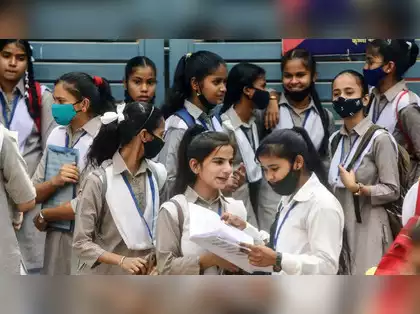




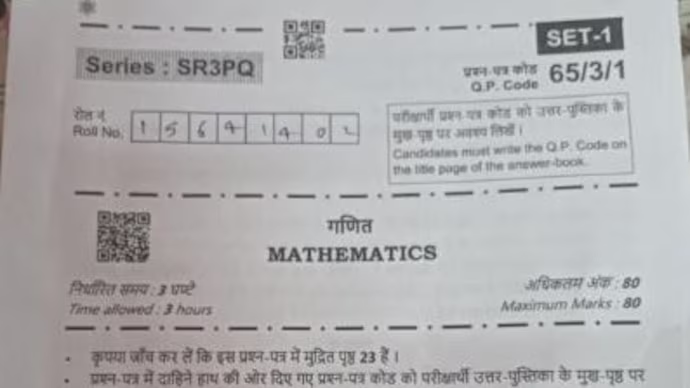


The Central Board of Secondary Education (CBSE) conducts board exams that hold significant importance in a student’s academic journey, especially for those in Class 12. These examinations serve as a critical assessment of a student’s understanding and mastery of subjects, providing a foundation for higher education and future career opportunities. Among these subjects, Biology plays a pivotal role due to its relevance in various fields such as medicine, environmental science, and biotechnology. As students prepare to enter their board exams, a solid grasp of the Class 12 Biology syllabus becomes indispensable.
The CBSE Class 12 Biology curriculum is meticulously designed to impart essential knowledge and critical skills that students will utilize in their academic and professional pursuits. This syllabus encompasses fundamental concepts such as cellular biology, genetics, evolution, and ecology, which are integral to understanding the living world. A comprehensive understanding of these topics not only aids in excelling in exams but also nurtures an analytical mindset and fosters research aptitude among students.
Significant changes in the examination patterns for the upcoming 2026 board exams have been introduced, reflecting the evolving educational landscape. These changes aim to evaluate students not just on rote memorization but also on their ability to apply knowledge in practical contexts. Assessments may include subjective questions, objective-type questions, and the integration of project work, thereby ensuring a well-rounded evaluation of the student’s capabilities.
In preparing for the CBSE Class 12 Biology board exam, students should focus on mastering core principles, honing their practical skills, and staying updated with the latest examination guidelines. By embracing these components, they can enhance their readiness and confidence as they approach their examinations and take steps towards their future aspirations.
CBSE Board Exam 2026 : Sample Paper
The Class 12 Biology sample paper for the CBSE Board Exam 2026 is meticulously structured to assess students’ understanding and application of biological concepts. The sample paper is divided into distinct sections, each designed to evaluate different cognitive skills and levels of comprehension. Primarily, the paper consists of three types of questions: objective type, short answer questions, and long answer questions.
Objective questions, often in the form of multiple-choice or fill-in-the-blanks, constitute the initial part of the paper. This section is aimed at testing students’ recall of factual knowledge and comprehension of fundamental principles in biology. Typically, there are around 15-20 objective questions, contributing a moderate percentage to the overall marks. Following the objective section are the short answer questions, which require students to elaborate on key concepts and demonstrate their ability to analyze biological phenomena. Generally, this part includes 8-10 questions, allowing them to express their understanding in a concise manner.
The final segment encompasses long answer questions, focusing on complex topics that necessitate thorough explanation and the application of critical thinking. Usually, students encounter 3-4 of these questions, each demanding comprehensive responses that integrate various biological concepts and illustrative examples. The marking scheme is carefully devised, with objective questions carrying fewer marks compared to short and long answer questions, thereby emphasizing the importance of analytical and evaluative skills in the subject.
This structured approach aligns with CBSE’s educational goals, which aim to cultivate a deeper appreciation for biology among students. By diversifying question types, the exam effectively evaluates not only memory retention but also understanding and application, ultimately fostering a well-rounded grasp of the subject matter.
Key Topics and Concepts Covered in the Sample Paper
The sample paper for the Class 12 Biology CBSE Board Exam 2026 encompasses a range of essential topics and concepts that are crucial for students to comprehend thoroughly. One of the primary areas of focus is Cell Biology, which includes critical subtopics like cell structure, function, and processes such as cellular respiration and photosynthesis. Mastery of these concepts is essential, as they establish a foundational understanding of biological principles.
Another significant area is Genetics. This section examines heredity, Mendelian genetics, molecular genetics, and genetic variation. Students are encouraged to delve into key concepts such as the structure of DNA, gene expression, and the principles of inheritance. Understanding these ideas is pivotal, as they not only apply to academic assessment but also have implications in personal and societal contexts, particularly in fields such as medicine and agriculture.
Ecology is yet another major topic featured in the sample paper, exploring the interrelationships among organisms and their environment. Students should focus on ecological levels of organization, energy flow, nutrient cycles, and ecological succession. Grasping these concepts facilitates a comprehensive view of biodiversity and environmental conservation, which is increasingly relevant in today’s world.
Additionally, the area of Biotechnology covers modern techniques such as genetic engineering, molecular cloning, and applications in medicine and agriculture. Acquaintance with these concepts will equip students with knowledge pertinent to current scientific advancements and their ethical considerations.
Lastly, Human Physiology addresses the functional systems within the human body, including the circulatory, respiratory, and nervous systems. Understanding these systems’ functioning and interconnections is crucial for appreciating human health and disease.
To efficiently master these topics, students are advised to employ a variety of study strategies, such as practicing sample questions, engaging in group discussions, and utilizing visual aids like diagrams and models. This multi-faceted approach facilitates a deeper understanding of the core areas covered in the biology sample paper, ultimately paving the way for success in the exam.
Tips and Strategies for Effective Exam Preparation
Preparing for the CBSE Class 12 Biology exam requires a structured approach to ensure comprehensive understanding and retention of the material. Effective time management is paramount; students should create a study schedule that allocates sufficient time for each topic, allowing for both in-depth learning and revision. Breaking down the syllabus into manageable sections enables students to focus on one topic at a time, minimizing feelings of being overwhelmed.
Revision strategies play a crucial role in exam preparation. Regularly revisiting topics not only reinforces knowledge but also aids in the identification of weaker areas that need more attention. Leveraging sample papers is a critical tactic; practicing with these papers familiarizes students with the exam format, question types, and time constraints. It is advisable to simulate exam conditions while practicing to enhance time management skills and build confidence.
Understanding the marking scheme can provide insights into how to allocate study time effectively, ensuring that emphasis is placed on higher-weighted sections. Addressing common misconceptions in Biology, such as the functions of cellular structures or the processes of photosynthesis, is important—misunderstandings in these areas can impede performance. Utilizing a variety of resources, including textbooks, online platforms, and coaching classes, can significantly enhance learning outcomes.
Furthermore, engaging in group studies and discussions with peers can facilitate deeper understanding of complex topics through collaborative learning. Explaining concepts to others reinforces one’s own understanding and allows for the exchange of diverse perspectives. By adopting these strategies and maintaining a disciplined study routine, students can approach the CBSE Class 12 Biology exam with confidence and preparedness.